
Hyundai i20 Review: Price, specs and boot space


Hyundai i20 Verdict

 You get lots of equipment for your money, the back seat is roomy, plus the mild-hybrid engine is economical and nippy.
 Already looks dated, isn't as fun nor as comfortable to drive as rivals and the interior feels uninspiringly cheap.
Find out more about the Hyundai i20
Rightly so, much has been made of Hyundai's climb from budget brand to mainstream carmaker that occasionally nibbles on the heels of premium models. But, in many ways, the Hyundai i20 feels like a car that's caught back in time, its generous equipment list and excellent warranty designed to make up for the fact that it's fundamentally off the pace. We'll find out in this full review if it's enough for the Hyundai i20 to convince.
And the Hyundai i20 comes loaded with kit, gets decent infotainment and has a high-tech engine that provides nippy performance and decent fuel economy. In an uncompetitive class that would be enough to rocket it to the top of your shopping list, but the small car class is far from uncompetitive and, up against its rivals, the i20 struggles to shine. It matches a Volkswagen Polo for space, but gets nowhere near its interior quality and can't compete with its finely tuned balance between being comfortable and enjoyable to drive. As such, the i20's generous equipment list seems like an attempt to hide its deficiencies, rather than enhance its qualities.
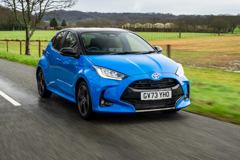
If that sounds harsh it shouldn't do because the i20 is up against cars that are pound-for-pound some of the best currently on sale. When you're up against the MINI, the Peugeot 208, the Skoda Fabia, the Toyota Aygo X, Vauxhall Corsa, Volkswagen Polo... You get the picture.
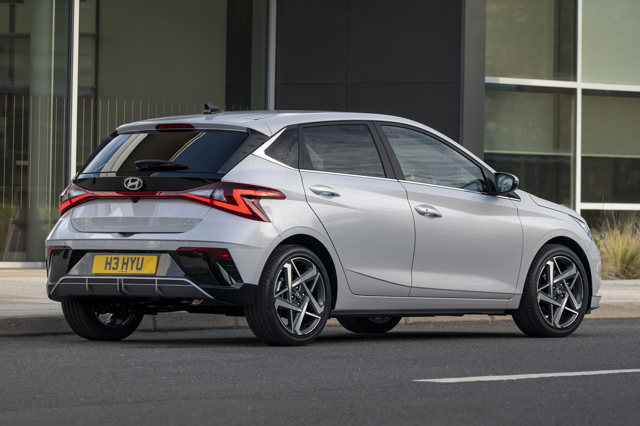
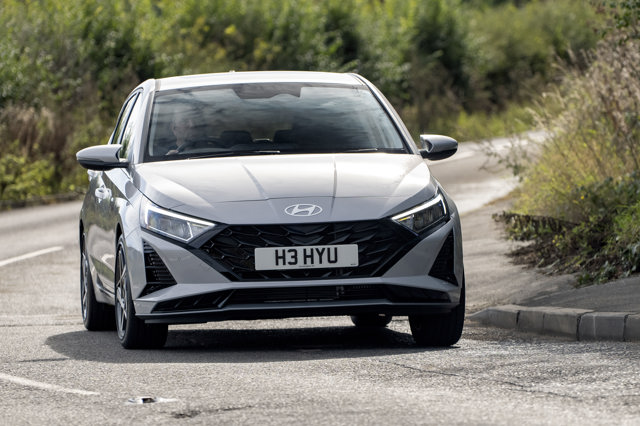
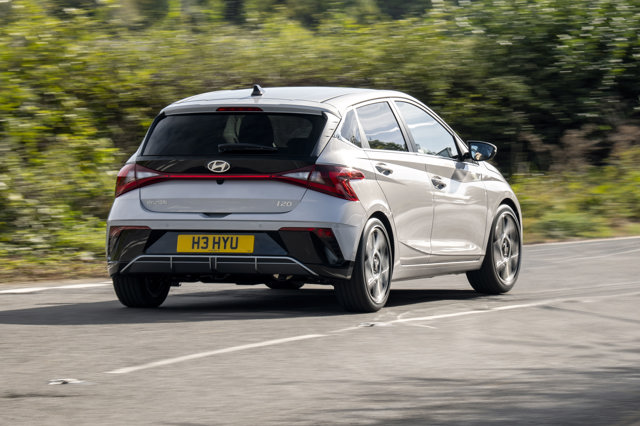
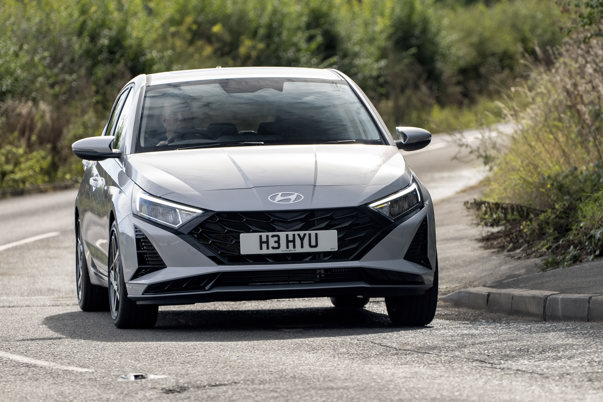
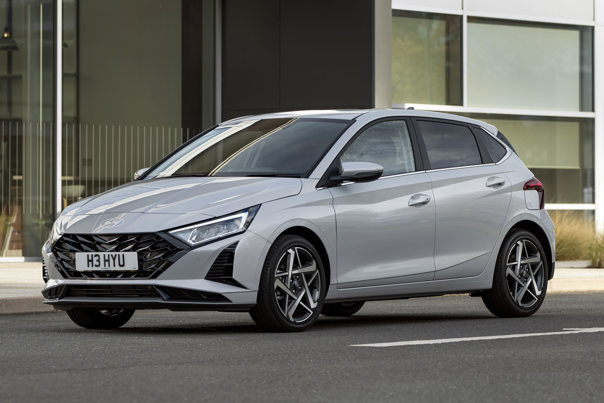
First introduced in 2020, the latest generation of i20 got off to a shaky start with its looks. Early versions had piercing headlights, an angular grille and a variety of overlapping body creases that made for a fussy overall appearance, which the neat back end – complete with its wraparound rear lights – didn't quite rectify. The 2024 facelift tidied things up with new bumpers, a slimmer grille, a sharper lighting signature and new wheel designs, giving it a cleaner and more modern look without changing its basic character. More striking than the old model? Certainly. Genuinely good looking? That’s for you to decide.
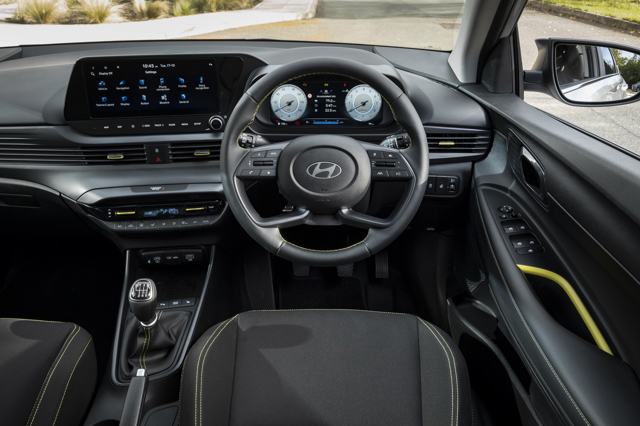
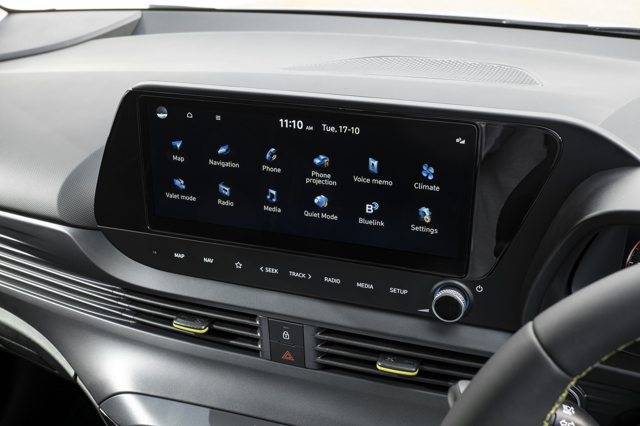
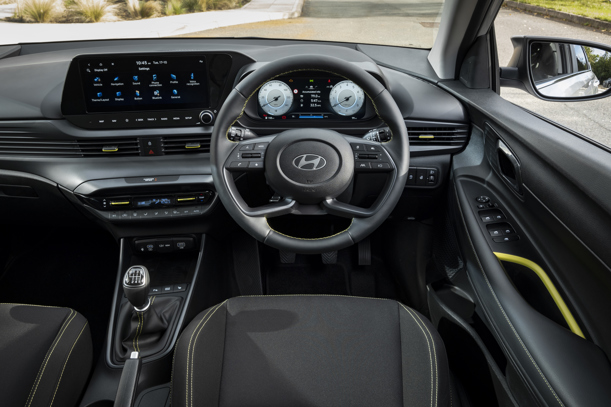
Things get better once you step inside the latest i20, although earlier versions still showed the cabin’s budget roots. The 2020-2023 cars had a mixture of cheap-feeling plastics and hard surfaces that made them look and feel less sophisticated than a Volkswagen Polo or Toyota Yaris. The facelifted 2024 model improves matters with new ambient lighting, fresh interior trims and better colour choices, but the underlying plastics remain the same, so it still can’t match the best for perceived quality. You do, however, get a 10.25-inch central touchscreen and matching 10.25-inch digital driver’s display as standard on all trims, which goes a long way to making the i20 feel more up to date.
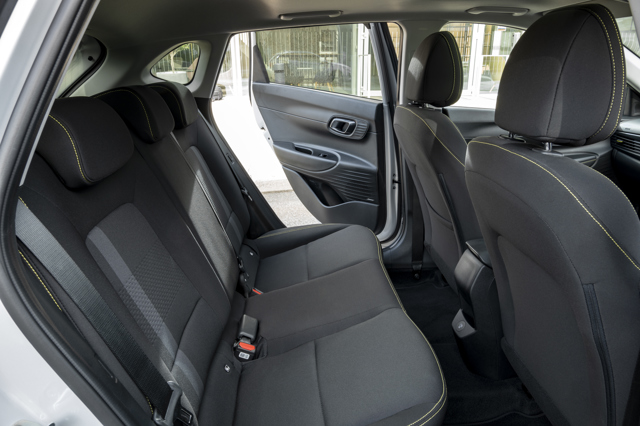
Where the i20 matches the Polo and has the measure of the other two is interior space. Upfront, the range of seat adjustment means whether you're tall, small, have long arms or short legs – you'll be able to get a comfortable driving position. Meanwhile, try out the back seat and you'll find your passengers get a surprising amount of knee room in what is, remember, Hyundai's second smallest car.
What you don't get is a wide range of engines because for most of the line-up (ignoring the now-discontinued i20 N hot hatch) there's only one option – a 1.0-litre three-cylinder petrol. Earlier UK cars were available with 100PS with or without and 48V mild-hybrid hardware, and a 120PS version that was mild-hybrid only. The facelifted UK range has only a 100 PS version, now without the mild-hybrid assistance.
In its various states, the engine delivers decent performance and fuel economy but isn't as characterful as similar units fitted to other small cars. However, there is the option of a seven-speed automatic gearbox.
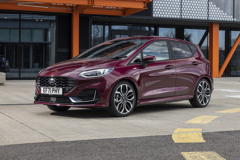
The driving experience also wants for defining features. The Hyundai's composed and grippy in bends, just as previous i20s managed. However, it lacks the cheeky nimbleness of a Ford Fiesta or the well-behaved fluidity and comfort of a Volkswagen Polo, because of this the Hyundai's not very memorable.
And that sums up the i20. There's nothing glaringly wrong with it in isolation but what it fails to serve up is that little bit of magic that separates a good car from a great car. Unfortunately for the i20, more than one of its rivals hits on that winning formula.
Reviews for Hyundai i20's top 3 rivals


Hyundai i20 handling and engines
- Engines range from 1.0 T-GDi to i20 N
- Readers report Real MPG to be between 33–54 mpg
Hyundai i20 2026: Handling and ride quality
Taken by the scruff of its neck on a country road, the Hyundai i20 has a reassuring amount of grip and well-contained body roll that makes it a predictable car to push into bends. Trouble is, it's not a huge amount of fun. Compared to a Ford Fiesta its steering feels numb and inconsistently weighted and its suspension doesn't iron out bumps with the Ford's panache.
The i20 we tried (on 17-inch wheels) had a brittle, unsophisticated edge to it over surface changes and poor quality Tarmac that you'd barely notice in a Volkswagen Polo – the small car you should choose if you want the most cosseting ride possible.
Out on the motorway, the Hyundai loses out on the more sophisticated driving aids that are fitted to the Toyota Aygo X as standard and it isn't as quiet as the Toyota or the Volkswagen at the UK's legal limit.
Perhaps it feels at its best in town. There the steering sheds its fake weight and feels light and precise, visibility is excellent and all models come with a reversing camera and rear sensors so you won't have any heart-in-mouth moments backing into tight spaces.
Looking for a second opinon? Why not read heycar's Hyundai i20 review
Hyundai i20 2026: Engines
When it was first introduced, one of the biggest talking points of the latest Hyundai i20 was its mild-hybrid, three-cylinder 1.0-litre petrol engine. Its 48V power supply means it can do clever things like give you a gentle electrical boost when accelerating and decouple the engine so the car can coast. It also allows the engine's stop-start to activate before you've come to a complete halt. They all bring marginal improvements to fuel economy and emissions and, like the best systems, most of the time you'll barely notice it doing its thing.
Most of the time it feels like any other 100PS three-cylinder. You get spritely performance for a car this size – 0-62mph takes 10.4 seconds and top speed is 117mph – along with the vibrations through the pedals and steering wheel that you come to expect from an imbalanced triple. Go for the auto 'box and 0-62mph takes 11.4 seconds, with a top speed of 115mph.
Torque sits at a relatively punchy 172Nm from just 1500rpm but it's masked by the Hyundai's land-speed-record-like gearing – it'll do 70mph in second – and you do sense a pause between pressing the accelerator pedal and said acceleration chiming in. It's also a shame that it doesn't sound as characterfully throbby as the engines in a Ford or Volkswagen.
However, from 2024 the mild-hybrid system was dropped. The reason hasn't officially been confirmed, but it was likely to be for cost-saving reasons. We've yet to try the new setup, but we'd be surprised if it was dramatically different in terms of feel.
We've only tried the car in six-speed manual form and the gearchange is the nicest single aspect of the car's character – snickety, tight and precise it seems like a good reason not to go for the optional seven-speed dual-clutch automatic.
Hyundai i20 2026: Safety
This version of the Hyundai i20 was tested by indepenent safety organisation Euro NCAP in 2021 and was awarded four stars from a possible five. Well, technically it was the very similar Bayon that was tested, but they're so close that Euro NCAP concluded the score applies to both.
All models come with Hyundai's SmartSense range of safety features so you get multiple airbags, intelligent speed warning, automatic emergency braking which detects cars, pedestrians, and cyclists, and an eCall system that can send the emergency services your location if you have an accident. Regular cruise control is also a standard fixture as is a basic lane assist system that'll stop you drifting out of lane but not actually steer the car - that's kept for the Ultimate trim alone.
For that added layer of sophistication you'll need that Ultimate model. They can steer themselves in lane and around corners (so long as you keep your hands on the wheel) and, courtesy of active cruise control, accelerate and brake, too. Ultimate models also add a blind-spot warning system that can warn you of approaching vehicles obscured from view. This trim comes with Forward Collision Avoidance Assist, too, in order to help when pulling out of junctions and spotting vehicles approaching from the side.
Hyundai i20 2026: Towing
The Hyundai i20 can tow an unbraked trailer weighing 450kg and a braked trailer that tips the scales at up to 1100kg – both these figures are towards the higher end of what you'd expect of a small car like this. It's worth noting that the sportier N Line S trim has a lower braked limit of 910kg.
| Engine | MPG | 0-62 | CO2 |
|---|---|---|---|
| 1.0 T-GDi | - | 10.4 s | 115–118 g/km |
| 1.0 T-GDi 120 | - | 10.1 s | - |
| 1.0 T-GDi 120 DCT | - | 10.3 s | - |
| 1.0 T-GDi DCT | - | 11.4 s | 117–121 g/km |
| i20 N | - | 6.2 s | 158 g/km |
Hyundai i20 interior
- Boot space is 262–1165 litres
| Dimensions | |
|---|---|
| Length | 4040–4075 mm |
| Width | 1880–2045 mm |
| Height | 1440–1450 mm |
| Wheelbase | 2580 mm |
Hyundai i20 2026: Practicality
The Hyundai is a very easy car to get comfortable behind the wheel in. Its driver's seat and steering wheel have loads of adjustment, your feet don't feel crushed in the pedal box and there's a rest to lay your hoof on when you're not pushing the clutch.
The seat also slides miles back on its runners. The only oddity is that you have to depress the clutch and brake pedal with the car in neutral to start the engine.
You can only have the i20 as a five-door so access to the back is excellent even if the rear doors are small – no surprise in a car this size - and once you're in you'll realise you have an impressive amount of legroom even if you're tall and sitting behind someone of a similar height.
Factor in generous headroom and loads of elbowroom and this is one of the most spacious back seats you'll find in a car this size.
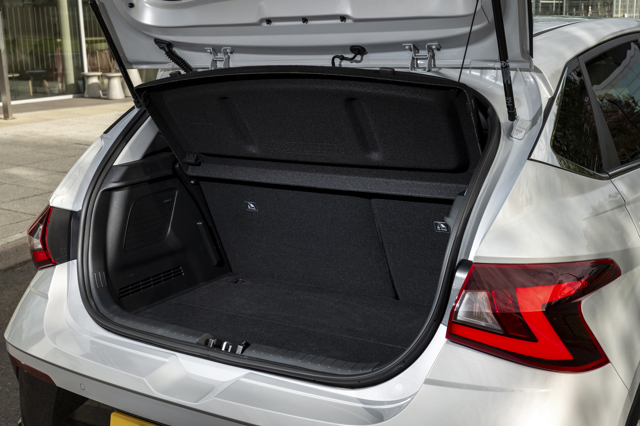
All post-facelift models offer 352 litres of luggage capacity with the seats in place, expanding to 1165 litres with them folded – among the largest in its class. The boot opening is wide and square, and there’s a two-level adjustable boot floor. In its higher position it creates a near-flat load bay when the rear seats are folded, while the lower setting maximises overall depth for taller items. There’s also a small storage well beneath the lower deck for smaller objects or valuables.
Early 48V mild-hybrid versions (2020–2023) had smaller boot volumes – 262–310 litres – due to the location of the hybrid battery under the boot floor. On those cars, the false floor sits higher and reduces overall depth, but space remains about average for a small hatchback. Fold the 60:40 split rear seat and you free up as much as 1075 litres of cargo room.
Hyundai i20 2026: Quality and finish
All versions of the i20 come with a leather-trimmed steering wheel and gear knob, so the parts of the cabin you touch the most feel decent.
It's the parts you don't often touch that are the problem. There's a distinct lack of soft and squidgy plastics that make rivals like the Volkswagen Polo, Ford Fiesta and Toyota Yaris feel a cut above. Even competitors that lack spongy plastics (we're looking at you, Skoda Fabia) feel more robust than the Hyundai and there's a milk-carton like quality to some of the i20's materials that it's fancy ribbed trims don't shake off.
Unfortunately, the blue, '90s Hi-Fi-like glow to the infotainment screens don't do it any favours next to the more colourful screens you get in a Volkswagen Polo. Facelift cars added ambient lighting and revised trims, but the underlying plastics haven’t fundamentally changed.
All in all, you might feel that the i20's high equipment levels (more on those later) offset the cheap interior, but if you're looking for the kind of 'suprise and delight' that gives you a warm fuzzy feeling inside, you won't find much of it here.
Hyundai i20 2026: Infotainment
Blue glow notwithstanding, there's plenty to like about how the i20's infotainment screens go about their business.
Basic models now get a 10.25-inch central touchscreen with built-in navigation plus a 10.25-inch digital instrument cluster as standard (post-facelift ‘Advance’ trim). Earlier SE Connect cars had an 8-inch screen with smartphone mirroring.
Premium versions of the i20 go a step further giving you the same 10.25-inch centre screen with built-in sat-nav. Like the basic system, its graphics are clear and it responds to iPhone-aping gestures like 'pinch' and 'swipe' very quickly.
This uprated system also includes a five-year subscription to Hyundai's connected services so you can 'talk' to your car using the Bluelink app to do things like set the navigation remotely or check the car's location and range.
Range-topping Ultimate models upgrade the stereo giving you a Bose system with eight speakers and subwoofer, plus wireless phone charging.
Hyundai i20 value for money

Hyundai i20 2026: Prices
Your cheapest entry to brand-new Hyundai i20 ownership comes in the form of the £22,100 Advance, which replaces the old SE Connect. It's almost identically priced to the entry-level Volkswagen Polo Life, which comes in at £22,040.
Layout the two cars' brochures in front of you and the Hyundai's advantage is plain to see. It comes with a 100PS engine compared to the Polo's 80PS unit, plus the i20 adds useful kit you don't get in the Volkswagen including a a reversing camera and 16-inch alloy wheels – an inch larger than the Polo's.
You also get a five-year, unlimited-mileage warranty that compares favourably to the three-year/60,000-mile cover you get with the Polo.
If you want the Hyundai i20 with the seven-speed automatic gearbox, it comes with a £1250 premium.
To move up from the Advance to the Premium means you're looking at a list price from £2,2500. The sporty looking N Line S goes from £24,750, as does the feature-packed Ultimate trim.
On the used market, early examples of this generation i20 (launched in 2020) start at around £10,000 to £12,000 for well-kept SE Connect models, with 2022-on Premium or N Line cars typically £13,000 to £16,000 depending on mileage.
Hyundai i20 2026: Reliability and running costs
When the third-generation i20 launched in the UK , it was offered with the 1.0-litre T-GDi petrol engine, often paired with a 48V mild-hybrid system. Official combined fuel economy figures were from around 52 mpg.
After the 2024 facelift the range was simplified to use the 1.0-litre T-GDi 100 PS non-hybrid engine, but quoted economy was still around 52 mpg.
If you’re buying a used 2020-23 car with the 48V mild-hybrid, you may see slightly better real-world economy than the later non-hybrid versions , although the difference is likely to be minimal in everyday driving.
Hyundai servicing is priced at a very reasonable level compared to rivals, and that five-year warranty is stronger than a lot of the competition, and help to boost resale values, although the i20 is not a strong on the used-car market as some of the best-performing rivals.
Unsurprisingly, this small car won't break the bank when you come to insure it. Depending on the model, the i20 sits between insurance groups 12 and 16 or 50, which should ensure very reasonable premiums.
Satisfaction Index
 What is your car like to live with?
We need your help with our latest Satisfaction Index, so that we can help others make a smarter car buying decision. What's it like to live with your car? Love it? Loath it? We want to know. Let us know about your car - it will only take a few minutes and you could be helping thousands of others.
Help us with the Honest John Satisfaction Index nowHyundai i20 models and specs
Hyundai has tweaked the trim levels on the i20 since its introduction, so the exact list of kit will vary depending on the age of the car you're considering.
Early cars, from 2020 to 2023, came in four trim choices, starting with the entry-level Hyundai i20 SE Connect, which features:
- 16-inch alloy wheels
- LED daytime running lights
- 8-inch touchscreen
- Apple CarPlay
- Android Audo
- 10.25 digital instrument cluster
- Manual air conditioning
- Front and rear parking sensors
- Reversing camera
- Cruise control
The mid-spec Hyundai i20 Premium features:
- 17-inch alloy wheels
- LED headlights
- LED taillights
- Heated front seats
- Heated steering wheek
- Front arm rest
- Power folding mirrors mirrors
- 10.25-inch touchscreen with navigation
- Bluelink telematics system
- Lane Follow Assist
The top-spec Hyundai i20 Ultimate trim adds:
- Two-tone roof
- Smart key with keyless entry
- Engine start/stop button
- Wireless charging pad
- Blind-spot collision warning
- Forward Collision Assist
- Bose premium sound system with eight speakers
Added to the portfolio in 2021, the Hyundai i20 N Line features:
- 120PS engine
- 17-inch alloy wheels
- N Line exterior styling kit
- Tinted glass
- Dual exhaust
- Red interior accents
- N-branded seats and steering wheel
- Black headlining
- Optional two-tone paint finish
The i20 was given a facelift in late 2023, with revised exterior looks and some trim tweaks. The range now started with the Hyundai i20 Advance, featuring:
- 16-inch alloy wheels
- LED head and taillights
- 8-inch touchscreen
- Apple CarPlay
- Android Auto
- 10.25 digital instrument cluster
- Manual air conditioning
- Cruise control with speed limiter
- Front and rear parking sensors
- Rear-view camera
- Power heated side mirrors
The mid-spec Hyundai i20 Premium features:
- 17-inch alloy wheels
- Front fog lamps
- Power folding door mirrors
- Privacy glass
- 10.25-inch touchscreen with navigation
- Apple Carplay
- Android Auto
- Bluelink telematics
The top-spec model remained the Hyundai i20 Ultimate, which builds on the Premium trim with:
- Smart key with keyless entry
- Engine start/stop button
- Wireless charger
- Blind-spot collision warning
- Forward Collision Assist
- Bose premium sound system
In 2024 the Hyundai i20 N Line S model was added, featuring:
- 17-inch black alloy wheels
- N Line exterior styling
- Rear spoiler
- N Line steering wheel
- N Line cloth seat trim with red stitching
- LED daytime running lights, headlights and taillights
- Keyless entry
- Engine start/stop button
- 10.25 touchscreen with navigation
- Heated front seats
- Ambient interior lighting
- Front and rear parking sensors
- Heated steering wheel
- Wireless charging
- Bose sound system
| Dimensions | |
|---|---|
| Length | 4040–4075 mm |
| Width | 1880–2045 mm |
| Height | 1440–1450 mm |
| Wheelbase | 2580 mm |
| Miscellaneous | |
|---|---|
| Kerb Weight | 1065–1225 kg |
| Boot Space | 262–1165 L |
| Warranty | 5 years / Unlimited miles |
| Servicing | 7500–12000 miles |
| Costs | |
|---|---|
| List Price | £20,605–£25,505 |
| Insurance Groups | - |
| Road Tax Bands | C–G |
| Official MPG | - |
| Euro NCAP Safety Ratings | |
|---|---|
| Adult | - |
| Child | - |
| Pedestrian | - |
| Overall | - |
Currently on sale
| Hatchback | |||
|---|---|---|---|
| Version | List Price | MPG | 0-62 |
| Advance T-GDi 100 eClutch (iMT) MHEV 48v Start/Stop 5dr | £20,605 | - | 10.4 s |
| Advance T-GDi 100 MHEV 48v DCT Auto Start/Stop 5dr | £21,855 | - | 11.4 s |
| N Line S T-GDi 100 eClutch (iMT) MHEV 48v Start/Stop 5dr | £23,905 | - | - |
| N Line S T-GDi 100 MHEV 48v DCT Auto Start/Stop 5dr | £25,505 | - | - |
| Premium T-GDi 100 eClutch (iMT) MHEV 48v Start/Stop 5dr | £22,305 | - | 10.4 s |
| Premium T-GDi 100 MHEV 48v DCT Auto Start/Stop 5dr | £23,655 | - | 11.4 s |
| Ultimate T-GDi 100 eClutch (iMT) MHEV 48v Start/Stop 5dr | £24,255 | - | 10.4 s |
| Ultimate T-GDi 100 MHEV 48v DCT Auto Start/Stop 5dr | £25,155 | - | 11.4 s |
On sale until October 2023
| Hatchback | |||
|---|---|---|---|
| Version | List Price | MPG | 0-62 |
| N Line T-GDi 120 eClutch (iMT) MHEV 48v Start/Stop 5dr | £22,620 | - | 10.1 s |
| N Line T-GDi 120 MHEV 48v DCT Auto Start/Stop 5dr | £23,870 | - | 10.3 s |
| N T-GDi 204 Start/Stop 5dr | - | - | 6.2 s |
| Premium T-GDi 100 eClutch (iMT) MHEV 48v Start/Stop 5dr | £21,225 | - | 10.4 s |
| Premium T-GDi 100 MHEV 48v DCT Auto Start/Stop 5dr | £22,475 | - | 11.4 s |
| SE Connect T-GDi 100 eClutch (iMT) MHEV 48v Start/Stop 5dr | £19,025 | - | 10.4 s |
| SE Connect T-GDi 100 MHEV 48v DCT Auto Start/Stop 5dr | £20,275 | - | 11.4 s |
| Ultimate T-GDi 100 eClutch (iMT) MHEV 48v Start/Stop 5dr | £22,525 | - | 10.4 s |
| Ultimate T-GDi 100 MHEV 48v DCT Auto Start/Stop 5dr | £23,775 | - | 11.4 s |
On sale until December 2022
| Hatchback | |||
|---|---|---|---|
| Version | List Price | MPG | 0-62 |
| Element T-GDi 100 eClutch (iMT) MHEV 48v Start/Stop 5dr | £16,500 | - | 10.4 s |
Model History
- February 2020: New Hyundai i20 revealed
- September 2020: Hyundai i20 N-Line revealed
- October 2020: Hyundai i20 priced from £18,595
- May 2021: Hyundai i20 N Line priced from £22,395
- April 2024: Hyundai i20 N Line S priced from £24,180
- February 2024: Hyundai announces upgraded i20 N Line
- December 2025: Hyundai i20 gets revised trims and specs, prices start at £19,995
February 2020
New Hyundai i20 revealed
A new Hyundai i20 will go on sale in May 2020 with fresh technology, bold looks and prices expected to start from around £14,500.
Set to compete against the popular Ford Fiesta as well as value alternatives like the Skoda Fabia and Kia Rio, the new i20 will be sold in the UK solely with a 1.0-litre turbocharged petrol engine producing 100PS.
This uses a 48-volt mild-hybrid system to provide an improvement of fuel economy of around three per cent, says Hyundai - although official MPG figures are yet to be confirmed.
As standard, the petrol engine will be paired with a new six-speed manual gearbox capable of decoupling the engine from the transmission when the driver lifts off the accelerator, allowing the car to coast and save fuel.
Wider proportions means there's more room for passengers, while boot space has increased by 25 litres.
UK specifications are yet to be announced, but high-spec models are expected to feature LED ambient lighting, as well as two 10.25-inch digital displays. One of these will be in place of the conventional instrument cluster, while the other is a touchscreen navigation system.
Apple CarPlay and Android Auto are offered wirelessly, combined with a charging pad meaning you won't need to plug your phone in. A premium Bose sound system will be offered as an option.
We don't know how much the Hyundai i20 will cost when it arrives in dealerships around May time, but expect a small increase over the current £14,175 start price.
September 2020
Hyundai i20 N-Line revealed
Features "motorsport-influenced styling" including sporty grey accents and a sleek rear bumper, which combine to enhance optic and aerodynamic performance. The triangle shaped fog lamp and chrome twin exhaust system emphasise the all-new i20 N Line’s dynamic look and set it apart from the base model i20.
i20 N Line customers can choose from four exterior colours: Phantom Black, Aurora Grey, Polar White and Brass. With the Polar White i20 N Line, an optional two-tone Phantom Black roof is available, offering even more scope for personalisation.
Inside the car, all-new i20 N Line customers benefit from N-branded sporty seats, which feature the N logo and exclusive red stitching, as well as a dedicated N steering wheel. Other N Line enhancements include metal pedals and the leather N gear shift knob with red inserts.
The all-new i20 N Line will be available exclusively with the 1.0-litre T-GDI 120PS engine. The version has been refined in terms of suspension, engine response and exhaust sound for an enhanced driving experience. It will also be available with 48-volt mild hybrid technology, resulting in greater fuel efficiency. Another new feature available in combination with the 48-volt mild hybrid system is the Intelligent Manual Transmission (iMT), leading to even greater fuel efficiency. To match the tuned driving performance, the all-new i20 N Line offers dedicated 17‑inch alloy wheels with a two-tone finish.
Like the base model, the all-new i20 N Line offers the latest version of Hyundai’s Bluelink technology including a wide range of Connected Car services such as Hyundai Live Services, as well as remote features via the Bluelink smartphone app. The all-new i20 is also equipped with Hyundai SmartSense safety features and complies with the highest European standards.
The all-new i20 N Line will be available across Europe from spring 2021. Pricing is yet to be confirmed.
October 2020
Hyundai i20 priced from £18,595
The entry-level model is the SE Connect which features 16-inch alloy wheels, LED daytime running lights and halogen projector headlamps with static cornering function. Interior equipment includes an eight-inch touchscreen display audio with Apple CarPlay and Android Auto, 10.25-inch supervision instrument cluster with customisable functions, manual air conditioning, cruise control with speed limiter function, leather wrapped steering wheel and gear lever, rear parking sensors with rear view camera and electrically adjustable and heated wing mirrors. Hyundai’s SmartSense safety package is also standard, offering E-Call, Forward Collision Alert (FCA), Driver Attention Alert (DAA), Intelligent Speed Limit Warning (ISLW), High Beam Assist (HBA), Lane Keep Assist (LKA) and Tyre Pressure Monitoring System (TPMS).
The i20 Premium is available from £20,795 and builds on the SE Connect trim, with enhanced exterior trim including 17-inch alloy wheels, LED headlights, LED rear combination lamps, front fog lamps, power folding door mirrors, privacy glass and chrome beltline. Additional specification includes automatic wipers, automatically dimming rear view mirror, automatic air conditioning with climate control, interior mood lighting, heated front seats, heated steering wheel and front arm rest. The Premium trim level also includes a 10.25-inch touchscreen navigation.
The new i20 also introduces a new trim level for Hyundai, with the top-spec Ultimate trim. The i20 Ultimate is available from £22,095 and adds to the Premium trim level with additional equipment including a two tone roof as standard and grey interior trim. Additional features include Smart Key with keyless entry and engine start/stop button, a wireless charging pad for compatible devices, Blind-spot Collision Warning (BCW) and Forward Collision Assist (FCA) with cyclist detection.
The i20 Ultimate also introduces the Bose Premium Sound System into the Hyundai range for the first time. The Bose Premium Sound System is a collaboration between Hyundai and Bose engineers and features eight high performance speakers including a subwoofer.
In addition to the SE Connect, Premium and Ultimate, the i20 N and N Line will join the range in 2021. The N Line will offer a number of sporty styling and mechanical changes over the rest of the i20 range, whilst the highly anticipated i20 N will be the second high performance N model from Hyundai.
|
Description |
CO2 Emissions (WLTP) |
VED Band |
VED Cost |
Recommended On The Road Price |
P11D Value |
|
SE Connect 1.0 T-GDi 100PS 6 speed IMT 48v Hybrid |
115 |
G |
£165.00 |
£18,595.00 |
£18,375.00 |
|
SE Connect 1.0 T-GDi 100PS 7 speed DCT 48v Hybrid |
117 |
G |
£165.00 |
£19,845.00 |
£19,625.00 |
|
Premium 1.0 T-GDi 100PS 6 speed IMT 48v Hybrid |
118 |
G |
£165.00 |
£20,795.00 |
£20,575.00 |
|
Premium 1.0 T-GDi 100PS 7 speed DCT 48v Hybrid |
121 |
G |
£165.00 |
£22,045.00 |
£21,825.00 |
|
Ultimate 1.0 T-GDi 100PS 6 speed IMT 48v Hybrid |
118 |
G |
£165.00 |
£22,095.00 |
£21,875.00 |
|
Ultimate 1.0 T-GDi 100PS 7 speed DCT 48v Hybrid |
121 |
G |
£165.00 |
£23,345.00 |
£23,125.00
|
May 2021
Hyundai i20 N Line priced from £22,395
Hyundai has announced the pricing and specification of i20 N Line, the latest model in the N Line portfolio.
The i20 N Line combines exterior and interior design elements inspired by Hyundai’s high-performance N range with comprehensive connectivity and safety technology shared thorough out the i20 range.
Exterior design changes for i20 N Line begin with a dedicated front bumper with a grey character line and black cascading grille equipped with the N Line badge. Bespoke 17” alloy wheels, side skirts and privacy glass change the side profile, while a redesigned rear bumper housing the signature N triangular rear fog lamp and dual exhaust muffler completes the sporty look. Interior changes include red accents to the door trims, heating and ventilation controls, as well as red stitching to the N branded seats. A leather N branded steering wheel and gear lever feature as standard, as does a black headlining.
All i20 N Line models are powered by a 1.0 turbocharged GDi engine which combines with a 48 Volt Mild Hybrid system to provide a 120PS whilst customers are offered the choice of two transmissions, an intelligent 6 speed manual (iMT) that features an electronically controlled clutch to decouple the transmission from the engine under certain driving conditions to enhance efficiency, or a 7 speed dual clutch transmission which combines optimum fuel consumption and automatically controlled gear changes.
The N Line trim features the standard Hyundai high level of specification, with key equipment including LED headlamps and rear combination lamps, LED daytime running lights, a 10.25” digital instrument cluster, a 10.25" touchscreen satellite navigation system including Traffic Messaging Channel, DAB, Apple CarPlay™, Android Auto™ and Bluelink Telematics. Steering wheel audio and phone controls are standard, as is Bluetooth® Connectivity with voice recognition.
i20 N Line is equipped with a number of Hyundai SmartSense systems as standard with six airbags, the automatic emergency call system eCall, Lane Keep Assist (LKA) with Lane Departure Warning (LDW), Driver Attention Alert (DAA), Autonomous Emergency Braking (AEB), Forward Collision Assist (FCA) warning with pedestrian and cyclist detection as well as automatic headlamps with High Beam Assist (HBA) are standard. Standard speed sensitive automatic door locking, Tyre Pressure Monitoring System (TPMS), Vehicle Stability Management (VSM), Hill-start Assist Control (HAC) also provide additional peace of mind.
i20 N Line is available in 9 colour finishes with optional 2 tone finish with Phantom Black roof available:
|
Colour |
Finish |
|
|
Aurora Grey |
Pearl |
Not available in 2 tone finish with Phantom Black Roof |
|
Phantom Black |
||
|
Dragon Red |
Available in 2 tone finish with Phantom Black Roof |
|
|
Mangrove Green |
||
|
Intense Blue |
||
|
Polar White |
Solid |
|
|
Brass |
Metallic |
|
|
Aqua Turquoise |
||
|
Sleek Silver |
April 2024
Hyundai i20 N Line S priced from £24,180
Hyundai has announced the pricing and specification of the i20 N Line S. Combining exterior and interior design elements inspired by Hyundai’s high performance N Brand, i20 N Line S provides a sporty top-level trim alternative which prioritises styling without compromising on comfort and convenience.
All i20 N Line S models are powered by a 100PS 1.0 turbocharged T-GDi engine, with the choice of either a six-speed manual or seven-speed dual clutch transmission.
Pricing for the new N Line S trim is aligned with the Ultimate trim, starting at £24,180. The N Line S trim boasts a host of sporty N Line exterior and interior additions, including bespoke 17-inch black N Line alloy wheels, multi-colour ambient lighting, heated front seats, front and rear parking sensors, wireless phone charging, a heated steering wheel, Over-The-Air (OTA) map updates, a BOSE Premium sound system and front and rear USB-C ports.
The i20 N Line S is available in a choice of ten colours. Mangrove Green Pearl is a no cost option. An optional two-tone finish with Phantom Black roof and door mirrors is available.
February 2024
Hyundai announces upgraded i20 N Line
Hyundai has announced the new i20 N Line that comes with a range of exterior styling additions aimed at giving the car an even sportier look.
The i20 N Line gets a new design of 17-inch alloy wheels and an updated pattern for the front radiator grille. There are four new paint options for the N Line model: Lumen Grey Pearl, Meta Blue Pearl, Vibrant Blue Pearl, and Lucid Lime Metallic. N Line logos complete the exterior changes.
On the inside, the i20 N Line gets multicolour ambient lighting, and new LED lights for the map, interior, and sun visor areas. This comes in addition to the car's N Line steering wheel, complete with perforated leather and exclusive red stitching, and specially designed gear knob, pedals and sports seats.
December 2025
Hyundai i20 gets revised trims and specs, prices start at £19,995
Hyundai has introduced a revised i20, which promises refreshed looks and a new trim line-up. Prices start from £19,995, and the new models are available to order from 11 December.
The i20's new trim levels are Element, Black Line and Tech Line.
Entry-level Element includes a leather-wrapped steering wheel and gear knob, a 10.25-inch touchscreen with Apple CarPlay and Android Auto, and a front USB-C charging port. Rear parking sensors and a rear-view camera are also standard.
Black Line models add 16-inch black alloy wheels, a 10.25-inch digital instrument cluster, LED headlights and taillights, black door mirrors, heated front seats and a heated steering wheel.
Top of the i20 range combines the old Premium and Ultimate trims to become Tech Line. Standard kit includes 17-inch alloy wheels, automatic air-conditioning, wireless phone charging, front parking sensors, ambient lighting and a rear USB charging port.
You can also add a Tech Pack to Tech Line models for £1,000 that includes a Bose stereo and sunroof.
Hyundai i20 prices
i20 Element 1.0T 90PS 6MT £19,995
i20 Element 1.0T 90PS 7DCT £21,245
i20 Black Line 1.0T 90PS 6MT £22,945
i20 Black Line 1.0T 90PS 7DCT £24,195
i20 Tech Line 1.0T 90PS 6MT £24,245
i20 Tech Line 1.0T 90PS 7DCT £25,495
