
Fuel prices rocket to 16-month high as Iran conflict deepens

Tue, 10 Mar 2026
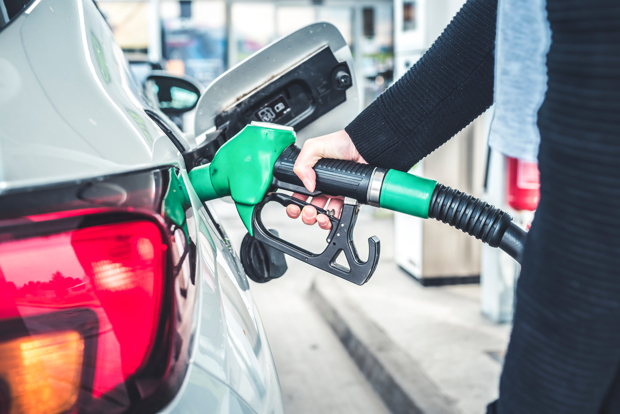
Petrol and diesel prices at UK forecourts are surging following the US-Israeli offensive in Iran, with experts warning that prices could climb even further if global oil markets remain volatile.
The RAC reports a "rocketing" of prices at the pump over the last seven days.
Since the launch of joint US-Israeli military strikes against Iran began on February 28, petrol has jumped by 4.7p a litre to an average of 137.5p, while diesel has seen a steeper rise of 9p, reaching 151p a litre — the highest level in over a year.
The sudden spike is a direct reaction to international oil prices. On Monday, Brent crude briefly touched $120 (£89) a barrel, a four-year high, as the closure of the Strait of Hormuz disrupted roughly 20% of the world’s oil supply.
While prices dipped slightly on Tuesday following signals of potential de-escalation, they remain significantly elevated. The RAC warns that:
- Unleaded is forecast to hit 140p per litre within days.
- Diesel is on track to climb past 160p per litre.
- Filling an average family car now costs £2 to £3.30 more than it did just one week ago.
Government response: Reeves puts retailers on notice
Chancellor Rachel Reeves has summoned filling station operators to a high-stakes meeting this week.
Amid fears of "rocket and feather" pricing — where retailers raise prices instantly when oil goes up but are slow to lower them when it drops — the Chancellor is demanding transparency.
"I will not tolerate any company exploiting the current crisis to make excess profits at consumers’ expense," Reeves told MPs.
The Chancellor has also:
- Directed the CMA (Competition and Markets Authority) to be "extraordinarily vigilant" regarding road fuel pricing. Earlier this year, the CMA slammed “persistently high” fuel prices in its first annual road fuel monitoring report.
- Accelerated the 'Pumpwatch' scheme, which will integrate real-time fuel price data into map applications to help drivers find the cheapest local fuel.
- Confirmed the fuel duty freeze remains in place — confirmed in the Spring Statement — though only until September, after which a 1–2p hike is currently scheduled.
Are we heading back to 2022 records?
Despite the current "shock," industry experts point out that we are still some distance from the record-breaking prices of 2022. During the peak of the energy crisis following the invasion of Ukraine, petrol hit 191.5p and diesel reached nearly £2 per litre.
However, the AA has already advised motorists to consider "cutting out non-essential journeys" to conserve fuel as the market navigates this new period of geopolitical instability.
“While wholesale costs for any retailer buying in new stock will have gone up, it normally takes two weeks for price changes to work their way through to the forecourt,” warns RAC head of policy Simon Williams.
“If the price of a barrel stays at this level, or increases, then further forecourt rises will be inevitable.”
Get the latest car news and expert advice. Sign up for the Honest John newsletter
