
Spring Statement 2026: Fuel duty freeze, road tax hikes and what every car driver needs to know

Wed, 04 Mar 2026
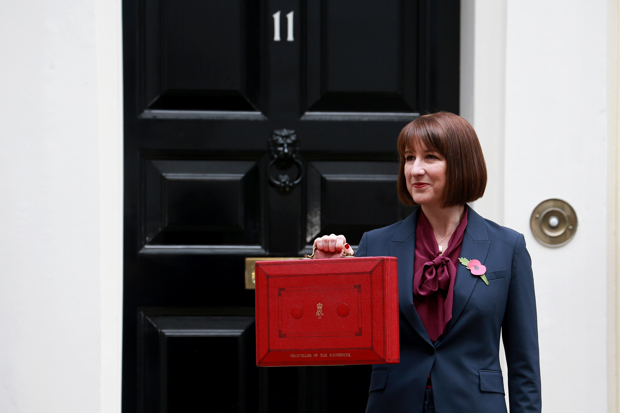
The Chancellor has delivered her 2026 Spring Forecast this week – the government’s new name for the traditional Spring Statement.
Rachel Reeves made it clear this was an update on the economy and public finances, rather than announcing new policies. She made a statement in Parliament in response to an Office for Budget Responsibility (OBR) update published on Tuesday 3 March.
⏱️ 60-second summary:
|
However, while no major new tax policies were announced, there are still implications for motorists with announcements made in the Autumn Budget 2025 looming.
While the Chancellor updates the country on its finances, many drivers are still asking "why can’t I buy a petrol car?" due to the ongoing ZEV mandate.
Fuel duty
In the Autumn Budget 2025, the Chancellor extended the fuel duty freeze, including the ‘emergency’ 5p a litre fuel duty freeze imposed by former Chancellor Rishi Sunak in 2022.
The extension was until September 2026. After this, the 5p a litre emergency cut is scheduled to be unwound in stages. According to pre-Forecast briefings, 1p a litre will be added in September, 2p a litre in December, and a further 2p a litre in March.
By April 2027, fuel duty will be back to pre-2022 levels – but still frozen at the 2012 level of 52.95p a litre.
There was speculation the fast-developing crisis in the Middle East could force the Chancellor to change her mind. Oil prices are already rising, with some analysts warning it could go over $100 in the event of a prolonged conflict, reports the BBC.
A barrel of Brent crude oil is currently around $84.
However, Rachel Reeves made no such U-turn and the planned increases in fuel duty will begin in September following the summertime extension.
After earlier urging the Chancellor to take action, FairFuel UK founder Howard Cox said Rachel Reeves' Spring Forecast was a "missed economic growth opportunity... amid a new damaging oil crisis".
He said the rise in oil prices could add 5-10p per litre in the next week or so.
"A sustained rise in Brent to $100 could add 10-20p per litre to petrol and diesel in weeks... similar to the surges seen in 2022 when oil hit $120 amid the Ukraine invasion."
The Chancellor will be hoping her decision not to U-turn on the emergency fuel duty cut proves to be the right one.
Pay-per-mile
No major statement was expected on the Chancellor’s EV pay-per-mile plan announced in the Autumn Budget 2025 – despite it theoretically coming into force from April 2028.
The current plan is for a charge of 3p per mile for EVs, and 1.5p per mile for plug-in hybrids. Notably, no details have been announced on how it will be implemented – indeed, the government seemed surprised when flaws were pointed out in its original idea to base a mileage declaration around the annual MOT (which isn’t due until a vehicle is three years old).
With changes to road tax looming, it is worth checking the latest pay-per-mile EV and PHEV tax guide to see how your vehicle will be affected from 2025.
More details about how EV pay-per-mile will work appears to be something the Chancellor has now deferred to the Autumn Budget 2026.
Road tax
VED road tax rates for 2026-27 were not confirmed in the Spring Forecast, but details are anticipated soon. There will be higher first-year bills for the highest-emitting cars, with the rate for cars emitting over 255g/km CO2 rising to over £5500. Those emitting 226-255g/km may rise to over £4700.
The annual rate after the first year is expected to increase from £195 to £205.
Electric cars also now pay VED road tax – £10 in the first year and £195 from then on. The latter amount may rise, but will the nominal £10 first-year rate increase too?
Expensive car supplement
The Chancellor announced in the Autumn Budget 2025 that the £40,000 ‘expensive car supplement’ will increase up to £50,000 for EVs, from 1 April 2026. There was no change to this in the Spring Forecast.
This increase is something car firms have long called for, given how electric cars are often more expensive than their petrol and diesel counterparts.
The expensive car supplement, which is paid for five years from the second year a vehicle is taxed, is currently £425, and it is likely the Chancellor will announce the sum will increase in line with inflation.
Company car tax
Electric car Benefit-in-Kind for company car drivers will increase from 3% to 4% from 6 April 2026. This change has already been announced and it will increase by a further 1% in 2027, then 2%, before being capped at 9% in 2029.
The Chancellor did not announce any major deviation from this plan.
What do you think of the Spring Forecast – was the Chancellor right to take a 'steady as she goes' approach or could more have been done to improve the fortunes of motorists?
