
BMW iX3 vs Volvo EX60 2026: Which premium electric SUV is best?

Thu, 29 Jan 2026
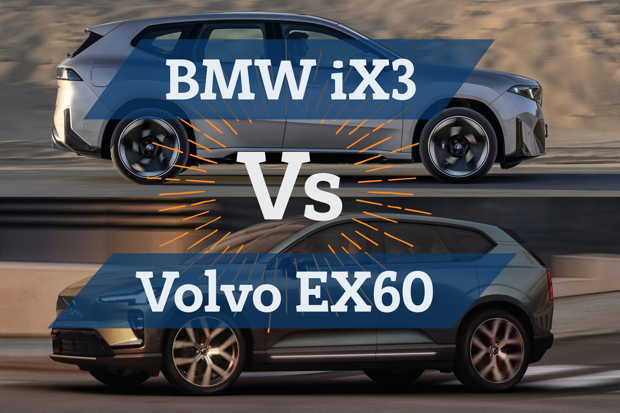
Two premium manufacturers. Two electric incarnations of popular and very competent mid-size SUVs. But how do the BMW iX3 and the new Volvo EX60 match up when you dig down into the details?
The BMW iX3 is essentially an electric interpretation of the X3, a car that’s been a best-seller for BMW for many years. An all-new version is nearly with us, and it’ll arrive just in time to take on a brand-new rival. The Volvo EX60, revealed at the start of 2026, follows a similar path; it’s basically an electric equivalent of an XC60 and falls into the same part of the market as the iX3.
The EX60 is a statement of intent from Volvo, with a new platform, an eye-catching battery range and a broader spread of variants than the BMW, including the EX60 Cross Country.
The new iX3, meanwhile, is the first car on BMW’s much-heralded Neue Klasse platform; it’ll form the basis for many BMW EVs to come.
While the two are similar in many ways, there are some key differences to weigh up if you’re thinking of putting in an order for one. Both cars are so new that we’ve not yet driven them, but there’s plenty of information that lets us do some initial comparisons.
BMW iX3 vs Volvo EX60: Battery range
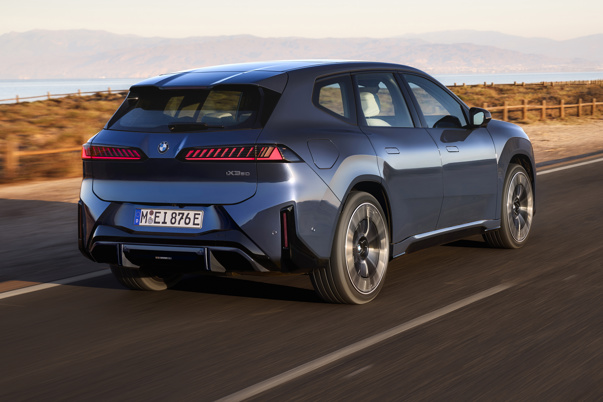
The BMW iX3 50 xDrive leads the new car’s model line-up with a WLTP range of up to 500 miles. At launch, it’ll be the longest-range electric car officially on sale in the UK, with a 108.7kWh (usable) battery. More versions will follow down the line.
The EX60’s headline number is even bolder at up to 503 miles from the P12 AWD version, which uses a big 112kWh battery. The P10 AWD model claims up to 410 miles from a 91kWh battery, and 385 miles for the rear-wheel-drive P6 and its 80kWh pack.
The real-world capabilities of both cars will depend on how they’re used, and the range will dip with motorway use and in cold weather, but both cars should ensure that range anxiety is a thing of the past for most.
BMW iX3 vs Volvo EX60: Charging speed
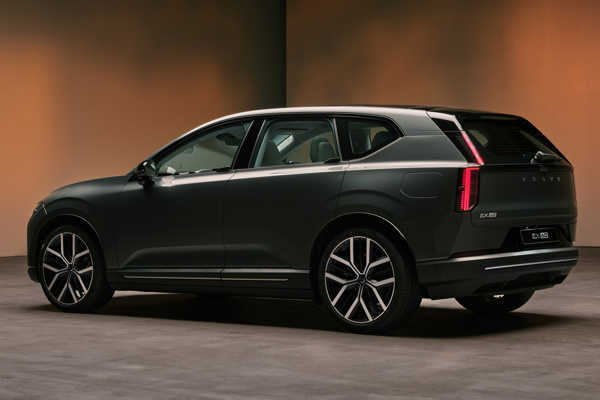
Both the BMW iX3 and the Volvo EX60 are state of the art when it comes to charging times, which means some of the fastest battery charges you can currently get.
The new iX3 is built on 800-volt architecture, which means it can charge at far faster speeds than its predecessor – up to 400kW with a suitable DC charger. That means you can charge it from 10% to 80% capacity in around 21 minutes, and add up to 231 miles in just 10 minutes.
It also supports 11kW AC charging as standard, with 22kW capacity if you add the Charging Professional package, and bidirectional charging is supported, too – Vehicle-to-Home (V2H), Vehicle-to-Grid (V2G) and Vehicle-to-Load (V2L).
The Volvo EX60 boasts very similar stats. It too can charge at up to 400kW, adding around 200 miles in 10 minutes, and claims a sub-20-minute 10% to 80% charge, although that depends on the variant. Full details for all the different power options haven’t yet been released. Volvo says bidirectional charging is also supported, although the company hasn’t officially said it’ll be enabled on UK cars as yet.
There’s little to separate the two in either range, charging speeds or features. While the Volvo edges things by a hair on paper, there are some specifics not yet confirmed for the UK. In practice, real-world differences are likely to be negligible.
BMW iX3 vs Volvo EX60: Practicality
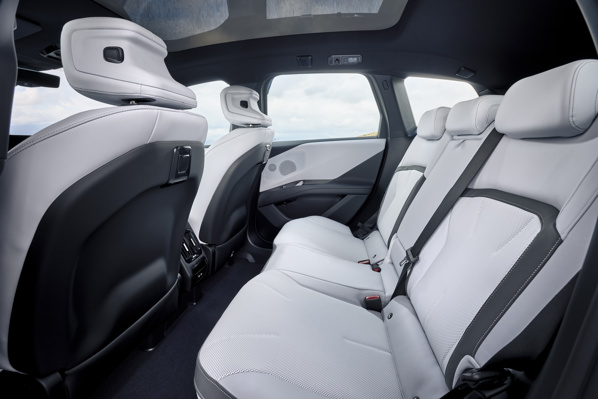
The BMW iX3 is slightly shorter than the EX60, but the specifications suggest BMW has used its new platform well.
There’s a 520-litre boot that expands to 1750 litres if you fold down the back seats, and a 58-litre “frunk” under the bonnet, too. The platform’s flat floor should mean decent legroom even for middle-seat passengers; indeed, the overall legroom should be an improvement over the previous generation.
Volvo goes stronger with its practicality cards, however. The EX60’s larger wheelbase suggests its interior will be slightly roomier than the BMW. It has a 634-litre boot, although its expanded size with back seats down is slightly smaller than the BMW, at 1647 litres. The Volvo has a larger frunk, however, at 85 litres.
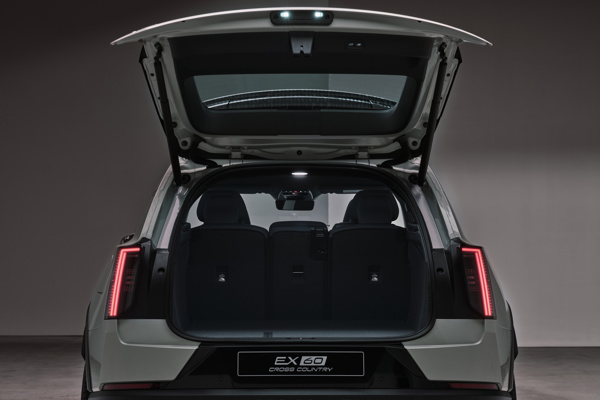
The iX3’s 2000kg towing capacity is impressive for an EV, but the 2400kg manageable by the EX60 is even more so.
Opt for the EX60 Cross Country and you can add extra off-road capability to the Volvo’s list of talents, with more ground clearance and optional air suspension for buyers that have to regularly deal with rough tracks or poor road surfaces.
Overall, the iX3 promises to be a very capable family car, but the EX60 looks to go a step further when it comes to space.
BMW iX3 vs Volvo EX60: Infotainment
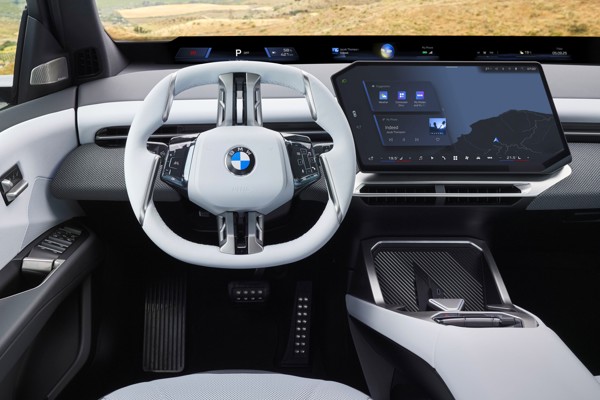
BMW has gone all in on a new interface for the iX3 with a new Panoramic iDrive system that builds on what has been a very usable and intuitive system in past cars. It combines four central elements into a full-width windscreen display and uses “Shy Tech” controls on the steering wheel that only appear when they’re available to use.
The idea of the new system is that you keep your eyes on the road and your hands on the wheel even when using the system. We’ll have to wait to see how well it works in practice.
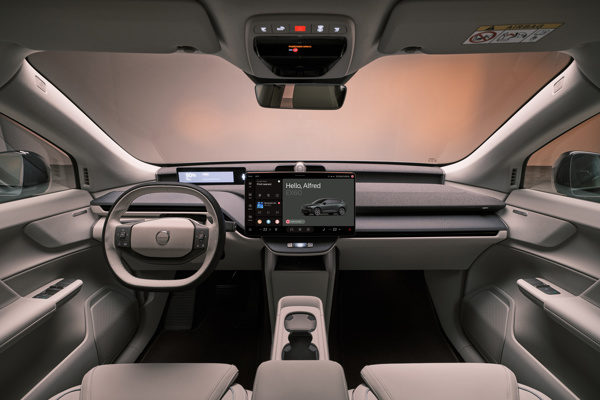
Volvo, in contrast, keeps things more familiar in its layout, though it does use a new Google-based Android Automotive operating system with built-in Gemini AI and Google Maps, and minimal physical controls. There’s a 15-inch central touchscreen for infotainment, and an 11.4-inch digital driver display behind the steering wheel.
Without having tried the BMW system it’s hard to say which will be the most effective – the iX3 talks a good game, but the proof will be in the usability. Volvo is playing it safe and familiar, which could turn out to be a smart choice.
BMW iX3 vs Volvo EX60: Performance
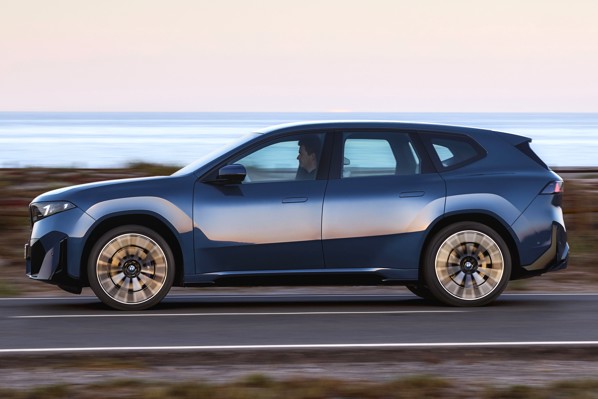
Neither of these cars is a full-blown performance SUV, but both should offer brisk performance in any configuration. The iX3 and the EX60 are both heavy cars, hefting around large batteries, so they need considerable power.
The BMW iX3 50 xDrive uses a dual-motor, all-wheel-drive setup with 469PS, which is enough to get it from 0-62mph in 4.9 seconds. That’s quick rather than dramatic, but it’s in keeping with the iX3’s positioning as a long-range, everyday electric SUV, rather than an M-badged flagship. That said, all BMWs have a level of driver engagement built into them by design, so expect sharp handling and throttle response for this type of car, which can be fettled through the car’s various driving modes.
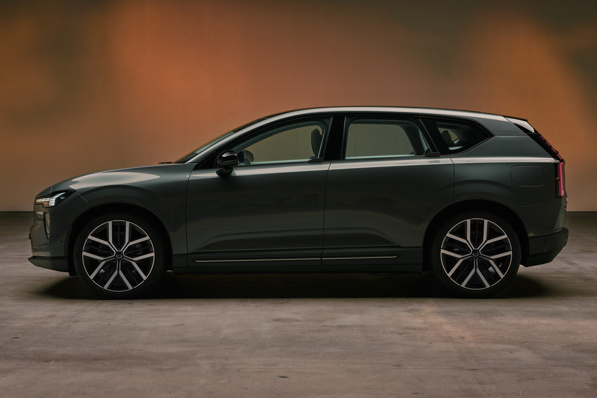
Volvo offers a broader spread of performance options. The entry-level, 374PS P6 uses rear-wheel drive and prioritises efficiency over outright pace – 0-62mph takes 5.9 seconds. The P10 AWD and the P12 AWD add extra punch along with all-wheel drive. The P10 boasts 510PS and will hit 62mph in 4.6 seconds, while the P12 is the clear performance flagship EX60, pairing the longest range with the most power – a whopping 680PS for a 3.9-second 0-62mph time – although it’s not particularly positioned as a sporty SUV. Volvo’s brand focus is more on smooth, quiet progress rather than creating immersive driver’s cars.
In the real world, both cars should feel comfortably quick, particularly at motorway speeds where the inherent torque of electric motors will make overtaking almost effortless. The BMW is likely to appeal more to drivers that value steering feel and driver engagement, while we’d expect the Volvo to prioritise stability and comfort, even with its very rapid acceleration in the AWD models.
BMW iX3 vs Volvo EX60: Size
Both cars are very similar in size, although at 4803mm, the Volvo EX60 is slightly longer than the BMW iX3, which measures 4782mm in length. Both are the same width to within a few millimetres (1895mm for the BMW, 1899mm for the Volvo), and the EX60 has a longer wheelbase at 2970mm compared to 2897mm.
That means that neither car could be considered small, but they should be entirely manageable on UK roads.
BMW iX3 vs Volvo EX60: Trims
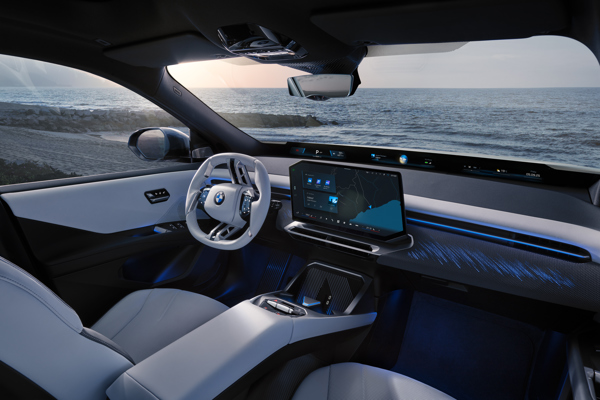
When it comes to variety, BMW is keeping things tight. You can order an iX3, an iX3 M Sport or an iX3 M Sport Pro, and there’s only one power option, at least initially. However, you can specify particular suspension and wheels, as well as charging capability, which gives some space for personalisation.
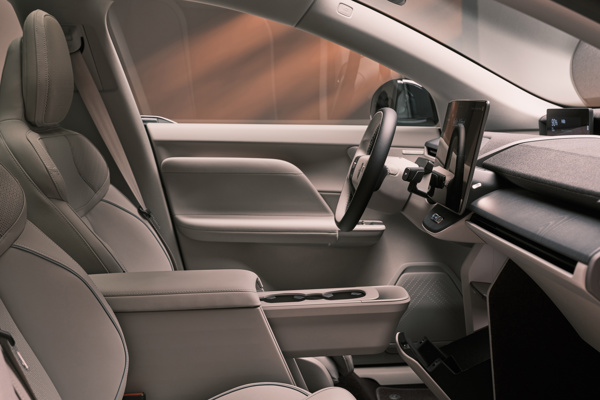
The Volvo, in contrast, offers plenty of choice. For a start, there are three power options – the P6, the P10 and the P12 – and two trims, Plus and Ultra. You can also order the Cross Country variant with P10 or P12 power, both of which have all-wheel drive.
Customers may like the flexibility in terms of specification – just watch the risk of overspending for features you don’t need.
BMW iX3 vs Volvo EX60: Pricing
Prices for the BMW iX3 start at £58,755, with the first cars due to arrive in the UK in March. The Volvo, meanwhile, starts at £56,860 for the P6 in Plus trim, rising up to £70,360 for the P12 Ultra.
While the starting price of the EX60 is lower, the range and performance of the sole BMW power option could make it more attractive for the money, even if iX3 customers don’t have the same amount of choice.
Which one should you buy?
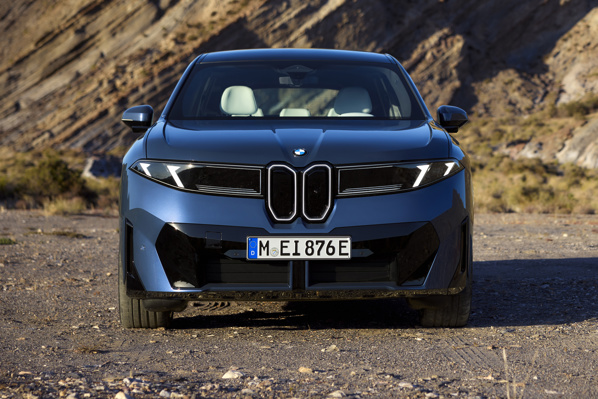
We’re not recommending one car over the other until we’ve driven both of them – check back later in 2026 and we’ll update this article to reflect our experiences behind the wheel.
However, we can give you a good idea of which car will best suit different buyers, based on the information we already have.
The new BMW iX3 is likely to appeal if you’re after driver engagement, even in an electric SUV. BMW is making a big deal of its Neue Klasse platform and the way it manages power delivery, braking and steering, and if that translates into real-world driving feel then the iX3 could end up being the more involving car to drive.
The BMW should also be the car for customers that value simplicity and clarity over endless configuration options – at least for now. BMW is keeping the iX3 range tight at launch, with one power option and three trim levels, which makes it easier to get into a well-specced car without spending hours in the configurator.
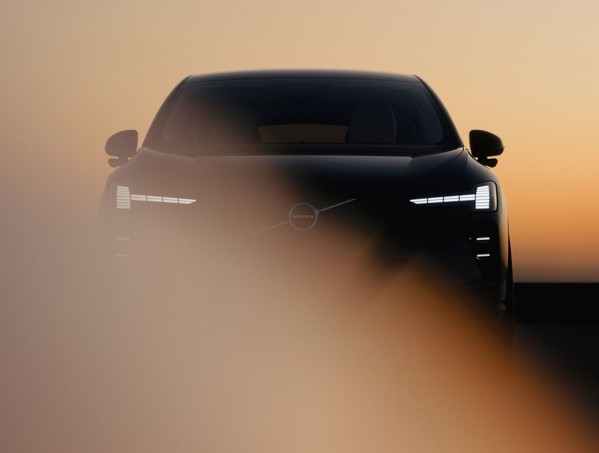
The Volvo EX60 looks like it could be the better bet for choice and flexibility. With three power outputs across the range, two trims and a Cross Country option, there’s more likely to be a version that precisely fits your lifestyle, whether you need to maximise efficiency, go for the greatest towing capacity, focus on comfort or want the maximum outright performance.
Space and practicality look like swinging the Volvo’s way, too. It has a larger boot and a bigger frunk, and a longer wheelbase, and its higher towing limit could make it especially appealing to families, caravanners or anyone that regularly has to lug bulky loads.
The EX60 also looks like it’ll have the calmer, more familiar cabin experience, with a focus on comfort and refinement rather than BMW’s bold new interface.
Overall, the BMW iX3 looks like being the more focused choice, while the Volvo EX60 is the more versatile option. Which one is better? We’ll let you know once we’ve driven them.
