
The Latest UK Car Insurance Costs & Statistics

Headline Statistics
- At the end of 2024, there were an estimated 23 million active car insurance policies in the UK, covering most of the 33 million registered vehicles.
- The UK motor insurance market generated £26.9 billion in income in 2024/25, making it one of the largest areas of financial services.
- As of June 2025, the average annual premium is £757, a 16% fall year-on-year and the lowest in more than two years.
- Premiums have declined every quarter since Q1 2024, reversing two years of continuous rises.
- In Q2 2025, the average premium dropped from £668 in April to £648 in June, compared with £806 in the same quarter of 2024.
- London remains the most expensive region, with average premiums just under £1,000 (£991) per year.
- Insurers paid out a record £3.2 billion in Q1 2025, the highest quarterly figure since records began, followed by £3.1 billion in Q2 2025.
- The average cost per claim rose 13% in 2024 to £4,900, reflecting rising parts, labour and garage bills.
- Young drivers (17–24 years) face the steepest costs at £2,051, though this is down from £2,826 in 2024.
- At the other end of the scale, retired drivers face higher costs than those still employed, with premiums rising by about 50% (from £492 to £733) when declaring retirement.
- EVs remain more expensive to insure than petrol or diesel cars, and EV owners are 56% more likely to file a claim compared with petrol drivers.
- Mileage matters: petrol cars are usually cheaper to insure at lower mileages, but diesel cars often become cheaper beyond 8,000 miles per year.
- Inflation fell from 11.1% in late 2022 to around 2% by mid-2024, before edging back up to 3.8% in mid-2025. Insurers only began to reflect easing inflation in early 2025, but persistently high claims costs mean premiums remain above pre-2020 levels.
Overview of the UK Car Insurance Market
The UK motor insurance market is one of the largest segments of the financial services sector. In 2024/25 it generated an estimated £26.9 billion in income, though premium revenues are projected to dip slightly to around £20.7 billion in 2025 as average premiums fall.
The market remains highly concentrated, with the top 10 providers accounting for just over 70% of premiums written. Ongoing consolidation, such as Aviva’s 2025 acquisition of Direct Line Group, is reshaping the competitive landscape and is expected to make Aviva the single largest motor insurer in the UK.
Recent regulatory changes also continue to shape the market. The FCA’s ban on “price walking” (introduced in 2022) prevents insurers from charging renewing customers more than new customers, forcing providers to compete more directly on price and service rather than inertia.
Insurance Providers
-
Admiral Group continues to lead with around 14% market share across its brands (Admiral, Bell, Diamond, Elephant.co.uk, Veygo, Gladiator). Admiral reported a 69% profit increase in H1 2025, reflecting strong underwriting discipline despite falling average premiums.
-
Direct Line Group holds second place with 10.8% market share (Direct Line, Churchill, Green Flag, Privilege, Darwin, By Miles). However, in July 2025 Aviva acquired Direct Line Group, a deal that is set to reshape the competitive landscape by giving Aviva the single largest share of the UK car insurance market.
-
Aviva currently sits third at 10.5%, but the Direct Line acquisition is expected to lift it comfortably into first place. Aviva also posted a 22% year-on-year increase in operating profit in H1 2025, supported by a 7% growth in general insurance premiums.
The UK motor insurance industry is worth an estimated £20.74 billion in 2025, with Admiral, Aviva, and Direct Line (soon combined) dominating the field.
Top 10 car insurance providers in the UK and their market share (2025)
|
Rank |
Insurance provider |
Premiums Written (£millions) |
Market Share (%) |
|
1 |
Admiral Group |
£2,237m |
14.0% |
|
2 |
Direct Line Group |
£1,730m |
10.8% |
|
3 |
Aviva |
£1,677m |
10.5% |
|
4 |
Hastings |
£1,112m |
7.0% |
|
5 |
AXA |
£969m |
6.1% |
|
6 |
LV= |
£932m |
5.8% |
|
7 |
esure |
£679m |
4.2% |
|
8 |
RSA |
£661m |
4.1% |
|
9 |
Ageas |
£654m |
4.1% |
|
10 |
NFU Mutual |
£626m |
3.9% |
Collectively these insurers wrote around £16bn in premiums, representing around 70.5% of the market.
Car Insurance Premium Trends
Car Insurance Premiums by Quarter
|
Period |
Average Premium |
Change (%) |
Change (£) |
|
Q1 2023 |
£657 |
4.26 |
28 |
|
Q2 2023 |
£776 |
18.11 |
119 |
|
Q3 2023 |
£924 |
16.02 |
148 |
|
Q4 2023 |
£995 |
7.68 |
71 |
|
Q1 2024 |
£941 |
-5.73 |
-54 |
|
Q2 2024 |
£882 |
-6.27 |
-59 |
|
Q3 2024 |
£861 |
-2.44 |
-21 |
|
Q4 2024 |
£834 |
-3.00 |
-27 |
|
Q1 2025 |
£589 |
-37 |
352 |
|
Q2 2025 |
£562 |
-36 |
-360 |
Regional premium variations
-
South West England is the cheapest region, with average premiums around £499 - £515.
-
Central and North Wales is close behind with averages around £514 - £524.
-
The most expensive region is Inner London at ~£1,149, Outer London at #£939 and the West Midlands ~£896 - £909.
-
Manchester and Merseyside, Leeds and Sheffield have recently seen significant premium falls of 19 - 21%.
|
Region |
Average Premium 2025 |
|
London |
~£991.08 |
|
West Midlands |
~£786.92 |
|
North West England |
~£698.95 |
|
Yorkshire |
~£696.35 |
|
East Midlands |
~£651.77 |
|
South East England |
~£612.27 |
|
Scotland |
~£606.02 |
|
Wales |
~£600.86 |
|
North East England |
~£597.48 |
|
South West England |
~£501.63 |
EVs vs Petrol vs Diesel
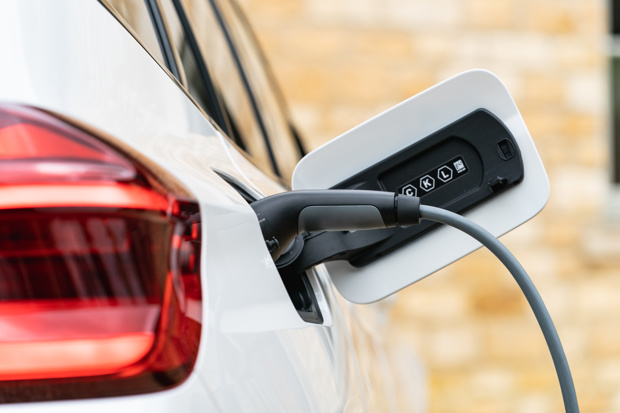
The average cost to insure an Electric Vehicle (EV) in 2025 is £707 per year, compared with £558 for petrol cars and £659 for diesel. EV owners are 56% more likely to make a claim than petrol drivers.
Why Are EVs So Expensive?
Several factors keep EV premiums above those of petrol and diesel cars:
-
Repair complexity - EVs often have advanced batteries, integrated electronics, and sensor-laden bodywork. Even minor collisions can damage high-voltage systems, requiring specialist repairs.
-
Cost of parts - Replacement batteries and components are more expensive and less widely available than ICE equivalents.
-
Shortage of skilled technicians - Fewer garages are trained to handle EV repairs, pushing up labour rates and repair times.
-
Higher claim frequency - EV drivers are statistically more likely to file a claim, partly due to the higher value of the vehicles and the types of policies purchased.
-
Write-off risk - Insurers are more cautious about battery damage, with some vehicles written off even after relatively low-speed accidents if the battery is compromised.
-
Market data lag - EV insurance is still relatively new compared to ICE vehicles. With limited long-term claims history, insurers apply higher risk margins.
What’s Driving Car Insurance Prices?
Car insurance premiums rose sharply between 2021 and late 2023, with quotes increasing by 82% since May 2021 and peaking at £995 in Q4 2023. From the end of 2023, premiums have started easing, falling 15–16% through 2024 and into 2025.
Despite this fall, premiums are still relatively high because of the cost of repairing and maintaining vehicles.
Increased Repair Costs
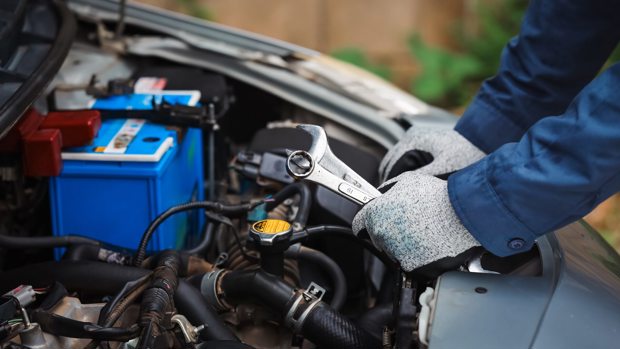
Repair bills are at record levels - insurers cite the growing complexity of modern vehicles with advanced sensors, electronics, and integrated systems. These make repairs more time-consuming and expensive.
-
Average non-fault repair costs in 2025 reached £5,191, up 24.7% since 2019.
-
Urban garages often charge £100+ per hour, compared with £60–£70 in rural areas, reflecting higher overheads.
-
Simple fixes now cost much more: repairing a bumper typically ranges from £165 to over £1,000, while dent repairs can run from £60 to more than £1,000 depending on severity.
Inflation
Inflation has driven up the cost of parts, labour, and replacement vehicles.
-
UK inflation fell from 9.4% in Q4 2022 to 2.9% in Q3 2024 but edged back up to around 3.8% in mid-2025.
-
Car insurance premiums peaked at £995 in Q4 2023 before falling to £562 by Q2 2025 - the lowest in over two years.
-
However, the average claim cost remains near £4,900, significantly higher than pre-2020 averages (~£3,500).
Energy Costs
Most garages rely heavily on electricity for diagnostics, paint ovens, and welding equipment.
-
At the height of the energy crisis, rising wholesale electricity costs added an estimated £70 to each repair.
-
Prices have stabilised but remain 30–50% higher than pre-crisis levels as of mid-2025.
- A survey found 89% of garages still list energy and utility bills as one of their biggest operational challenges.
Vehicle Theft and Vandalism
Although overall premiums are trending down, theft and vandalism remain significant factors keeping claims costs high.
-
Theft has risen by more than 75% over the past decade, with modern keyless entry systems exploited by organised crime gangs.
-
The average theft claim is £11,800 in 2025, reflecting higher vehicle values. A single theft can increase an individual’s premium by £500–£700.
-
The Ford Fiesta remained the most stolen car in 2024, with 4,446 thefts reported.
-
Vandalism repair costs surged by 37% year-on-year in Q2 2024, with some regions like the South East seeing a 400% jump in average bills. Insurers report these elevated costs are continuing into 2025.
Insurance Claims
The scale of payouts shows how claims pressures feed into pricing.
-
In Q1 2025, insurers settled 632,000 motor claims, paying out a record £3.2 billion - the highest quarterly figure since records began in 2013.
-
Payouts remained high in Q2 2025 at £3.1 billion, with repairs alone accounting for £2.1 billion.
-
Accident damage is the most common claim type, with average repairs now costing £5,100.
-
Fraud remains a persistent problem: the ABI estimates 1 in 5 claims are affected by fraud, costing the industry around £400 million annually. Aviva alone prevented 6,000 fraudulent claims worth £60 million in H1 2025.
-
While the number of claims is lower than a decade ago, the value per claim has risen significantly due to higher repair, parts, and labour costs.
Uninsured Drivers
How Many Uninsured Drivers Are There In The UK?
- There is an estimated 1 million uninsured drivers on UK roads.
-
Around 130,000 people are caught each year for driving without insurance.
-
Uninsured drivers are disproportionately likely to be involved in collisions, with an estimate of 1 in 5 hit and run car accidents involving an uninsured driver.
Do Uninsured Drivers Affect My Insurance Premiums?
Even if you’re fully insured, uninsured drivers still cost you money. The Motor Insurers’ Bureau (MIB), funded by UK insurers, handles claims from accidents involving uninsured or hit-and-run drivers. These payouts are ultimately passed on to all policyholders through higher premiums.
- Cost to the MIB: Each year, the MIB (Motor Insurance Bureau) pays out over £300 million in compensation to victims of uninsured or untraced drivers.
- Impact on premiums: This adds an estimated £15–£30 to every car insurance policy in the UK.
Factors Impacting UK Car Insurance Costs
Geographic Location
Where you live has a major impact on how much you’ll pay for car insurance. Differences in local crime rates, traffic density, labour and parts costs cause large disparities.
-
Inner London remains the most expensive region in the UK, with average premiums around £1,185.
- Outer London is cheaper than Inner London but still high, with averages around £967.
-
Manchester & Merseyside now average about £896, after significant year-on-year price drops.
-
The West Midlands is another high-cost region, with average premiums around £909, down roughly £201 from a year ago.
- On the other end of the scale, South West England boasts the lowest average premiums in the UK, with an annual cost of around £501.63.
- In some of the UK's more remote areas, such as rural Wales and the Isle of Man, premiums can be even lower, in certain towns, you might pay as little as £258 annually.
Vehicle Type
Cars in the UK are categorised into insurance groups (1-50), which reflect risk based on performance, repair costs and safety. Generally:
-
Hatchbacks in Group 1 - 4 are the cheapest to insure and usually the least powerful.
-
Saloons and 4x4s typically have higher insurance premiums. Saloons often come with more powerful engines and higher repair costs, while 4x4s are pricier due to their size and potential off-road damage risks.
-
Sports cars or vehicles with high-performance engines usually fall into higher insurance groups (closer to group 50), making them among the most expensive to insure.
Average UK car insurance premium by insurance group, data is based on an average driver in their 40s with no claims on their insurance.
|
Car Type |
Example Models |
Insurance Group(s) |
Estimated Annual Premium (2025) |
|
Very Small Hatchbacks / Entry City Cars Low-risk, small engines, minimal extras |
Hyundai i10, Fiat Panda |
1 - 4
|
~£580-£600 |
|
Affordable Hatchbacks / Saloons |
VW Golf, Vauxhall Astra |
5 - 10 |
~£600 - 670 |
|
Standard / Mid-spec Hatchbacks / Compact / Small SUVs |
Ford Fiesta, Toyota Yaris |
11-20 |
~£640-£720 |
|
Larger / Premium SUVs / Performance Saloons |
Hyundai Tucson, Audi A4, BMW 5 Series |
21-30 or higher |
~£750-£1,000+, depending on location, trim, theft risk etc. |
|
High Performance / Luxury / Sports Cars |
Porsche 911, BMW i8, Alfa Romeo Stelvio |
31-50 |
~£1,200-£1,500+ |
The Driver - Record and Mileage
Where and how far you drive has a big impact on insurance premiums. The average car in the UK drives approx 7,000 miles . For car insurance companies, each second your car spends on the road increases the probability of being involved in an accident.
What Is The Average Driver Annual Mileage in the UK?
Across the last decade, average mileage has been trending downwards, with a significant decrease during the pandemic. Since 2022, the average has started to return to pre-pandemic levels.
|
Year |
Average Annual Mileage |
|
2013 |
7,409 |
|
2014 |
7,421 |
|
2015 |
7,334 |
|
2016 |
7,250 |
|
2017 |
7,134 |
|
2018 |
7,059 |
|
2019 |
7,090 |
|
2020 |
6,533 |
|
2021 |
5,398 |
|
2022 |
6,370 |
|
2023 |
6,551 |
|
2024 |
6,800 (estimate) |
How Does No Claims Bonus Work?
Insurers continue to apply significant discounts for every claim-free year on car insurance. Guidance from insurers suggests a 30 - 60% discount can apply after 5+ years, with diminishing returns after 9 years.
The figures below show how No Claims Bonus (NCB) can reduce the average starting premium of £562 for a driver with no bonus:
|
Years of NCB |
Typical Discount |
Average car insurance price |
|
0 |
0% |
£562 |
|
1 |
~30% |
£393 |
|
2 |
~40% |
£337 |
|
3 |
~50% |
£281 |
|
4 |
~55% |
£253 |
|
5 - 8 years |
~60% |
£225 |
|
9+ years |
~65% cap |
£197 |
Demographics
Age, occupation and life stage can all have an impact on insurance premiums.
How Does Age Impact Premiums?
With age comes practice, so the more hours behind the wheel - the lower premiums are. However, as premiums tend to decrease with age, many drivers experience a small uptick in premiums when their status shifts from employed to retired.
-
Younger drivers have the highest premiums due to accident risk and lack of history, with the average premium for a 17 year old £2051, in London it can get up to £2994/year.
-
Premiums fall steadily with age as experience, and no claims bonuses, grow. Drivers in their 50s - 60s typically have the lowest premiums.
- Older drivers generally pay the lowest overall until retirement, where lack of stability and increasing age impact premiums. Drivers over 70 are more likely to be involved in collisions.
|
Age Group |
Average Premium |
|
17 |
~£2,051 |
|
25 |
~£1,864 |
|
35 |
~£720 |
|
45 |
~£688 |
|
55 |
~£500 - £550 |
|
65 (employed) |
~£432 |
|
70 (retired) |
~£480 - £520 |
|
80+ |
£600+ |
How Does Occupation Affect Premiums?
Occupation can also have an impact on premiums, with insurers considering mileage, shift work, fatigue, and parking in their risk profile for drivers.
Top 5 vs Bottom 5 car insurance premiums by occupation (2025)*
|
Occupation |
Average Premium |
Difference on UK Average (~£664) |
|
Unemployed |
£1265 |
+90% |
|
Healthcare Assistants |
£1,064 |
+60% |
|
Warehouse Workers |
£1,063 |
+60% |
|
Chefs |
£952 |
+43% |
|
Roofers |
£950 |
+40% |
|
Secretaries / PAs |
£590 |
-11% |
|
Accountant |
£580 |
-13% |
|
HGV Drivers |
£556 |
-16% |
|
Teachers |
£531 |
-20% |
|
Civil Servants |
£494 |
-25% |
-
Approximate values based on an average of 25 - 55 year olds with a typical risk profile.
Minor (honest) tweaks to your job title can have an impact on premiums. A Chef will pay more than a Catering Assistant, a Journalist more than a Writer, and a Builder or Construction Worker will pay more than a Labourer.

Fraud & Scams
Common Fraud Types
-
Crash for Cash is a growing type of insurance fraud which involve drivers - often on mopeds,which involve staged collisions, the driver of the moped then demands to see licences or insurance docs in order to commit identity or policy fraud.
-
Shallowfakes is a growing type of insurance fraud, where insurers are focusing on detection. It involves individuals submitting edited or doctored photos in order to make a false claim on insurance.
-
Other AI Assisted Fraud is on the rise in 2025, where AI generated walkaround videos, fake invoices, or doctored documents are submitted to insurers.
Claims Fraud Trends
Fraudulent claims remain a persistent issue in the UK motor insurance market, costing insurers an estimated £400 million each year, which ultimately pushes up premiums for all drivers.
-
Fraud touches around 1 in 5 motor insurance claims, not always outright scams, but often exaggerated or misleading details (like inflating repair costs or overstating injuries), which still push up overall claims costs.
-
In the first half of 2025, Aviva reported it prevented 6,000 fraudulent claims worth £60 million.
-
Overall claim volumes are falling compared with a decade ago, but the average value of fraud cases is rising, making them more costly to insurers.
-
Data sharing between insurers, police, and the Insurance Fraud Bureau (IFB) has improved detection rates, but fraud still adds an estimated £50–£60 to every driver’s annual premium.
Ghost Brokers
Ghost brokers are fraudsters who sell forged or invalid insurance policies, often posing as legitimate middlemen offering “cheap” cover. The issue has grown significantly in recent years:
-
Over the past two years there has been a 50% rise in cases, with more than 7,000 investigations in 2024 alone.
-
Young drivers are most at risk, with nearly 30% of 17–25 year olds admitting to unknowingly buying fake policies, often through Instagram, TikTok, or encrypted apps like WhatsApp and Telegram.
-
Fraudsters can pocket tens of thousands of pounds; one case saw £17,000 earned through Instagram sales alone.
Drivers who purchase these policies are essentially driving without valid insurance, even if they think they are covered. This can leave victims facing £300 fines, six penalty points, vehicle impoundment, and denied claims.
Telematics & Usage-Based Insurance
Telematics, or Black Box based insurance uses a device or smartphone app to track driving behaviour to inform insurance premiums. By understanding behaviour such as mileage, speed, braking and cornering a driver’s risk profile can be appropriately measured in order to inform insurance premiums.
-
Around 14% of UK drivers hold a telematics/ UBI policy.
-
Usage Based Insurance (UBI) is increasingly becoming popular with younger drivers as a way to decrease premiums.
-
12.7% of drivers under the age of 30 use a telematics insurance policy via an app or smart device, while 20.7% use a black box, meaning over 32% of drivers under the age of 30 have a UBI insurance policy.
- Increasingly UBI is being offered to older drivers who may benefit due to low mileage.
- Safer drivers can expect discounts of 20% - 40%.

International Comparisons
Car insurance costs and trends vary significantly between countries, with differences in regulation, fraud levels, and driving habits shaping premiums.
-
The UK’s average annual premium in mid-2025 is £757, which is much lower than the US, where typical policies cost around $2,400 (£1,896), but notably higher than much of Europe, where annual premiums are typically €500–€600 (£425–£510).
-
Italy has one of the highest levels of telematics adoption in the world. Around 18% of drivers hold a telematics policy (compared with ~14% in the UK), helping to reduce fraud and lower average premiums in some regions.
-
Ireland has one of the highest proportions of uninsured drivers in Europe at around 8%, compared with roughly 1 million uninsured drivers in the UK. Uninsured driving remains a major factor in raising premiums across European markets.
-
In the United States premiums continue to rise, with the average “full coverage” car insurance policy costing around $203 per month (~$2,400 / £1,900 per year) in mid-2025. Unlike the UK, where premiums have fallen year-on-year, US car insurance costs are still climbing by around 4–5% annually, showing a very different trend.
Premium comparisons between countries are not exact as policies, coverage levels, and regulations differ. These figures are best seen as directional indicators of how markets compare.
Future Trends
EV Insurance Evolution
-
EVs remain more expensive to insure in 2025, but as the second-hand EV market grows and more repair networks are trained on battery replacement, premiums are expected to stabilise.
-
By 2035, an estimated 250,000 EVs per year could need battery-related repairs — a potential long-term pressure on insurers.
Connected & Autonomous Vehicles
-
Black box/telematics policies are set to expand beyond young drivers to mainstream drivers, as insurers look for ways to personalise risk.
-
Autonomous driving features will raise new liability questions — is the driver or manufacturer responsible in the event of an accident?
Fraud & Cyber Risks
-
Ghost broking and “deepfake” documentation are expected to increase, with scams moving from social media marketplaces to encrypted apps like WhatsApp and Telegram.
-
Cyber-attacks on connected cars may create new categories of claims insurers must cover.
Climate Change & Extreme Weather
-
Flooding and storms already drive spikes in claims; the ABI projects weather-related vehicle claims will rise by 20–30% by 2030 if extreme weather events become more frequent.
Pricing & Regulation
-
The FCA ban on “price walking” (2022) has made pricing fairer but removed some cheap new-customer deals. Regulators may introduce further transparency rules on renewal pricing.
-
Pay-per-mile and flexible usage-based insurance is expected to grow, particularly for urban drivers and younger motorists who drive less.
Technology in Claims Handling
-
AI is increasingly used for photo-based damage assessments and fraud detection. Some insurers already process minor damage claims in under 24 hours with automated systems.
-
Faster claim settlements may reduce costs, but heavy investment in tech is a short-term expense for insurers.
FAQ:
What is the average car insurance cost?
The average cost of car insurance in the UK varies depending on age, location, and policy type.
-
Overall Average: At the end of 2023, premiums peaked at £995 before falling through 2024. By mid-2025, the average annual premium was around £757, the lowest in over two years.
-
Age Variance: Younger drivers pay significantly more. For example, 17–24-year-olds face average costs of over £2,000, while drivers in their mid-30s typically pay £650–£750.
-
Region: Costs vary widely by location. Drivers in the South West pay around £500, compared with nearly £1,000 in Inner London.
-
Policy Types: Comprehensive insurance usually costs more than third-party cover, but offers broader protection.
When could the cost of your car insurance be reduced?
Premiums usually fall steadily from age 25 onwards, as drivers gain experience and accumulate no-claims bonuses.
-
Discounts of 30–60% are common after 5+ years without a claim.
-
Costs often remain lowest between ages 45–65.
-
Some older drivers see premiums rise again after retirement or age 70.
Other ways to reduce premiums include taking the Pass Plus scheme, choosing a car in a lower insurance group, or opting for a telematics (black box) policy.
What is the average cost of car insurance per month?
On a monthly basis, premiums break down to around:
-
Petrol cars: ~£46–£55 per month
-
Diesel cars: ~£55–£60 per month
-
Electric vehicles (EVs): ~£59–£65 per month
These figures assume average mileage. Drivers with very low mileage (under 4,000 miles per year) may find cheaper premiums, while those with high mileage (8,000+ miles) often pay more.
Why does car insurance cost so much?
Premiums reflect a mix of factors:
-
Rising repair costs, with average accident repairs now exceeding £5,100.
-
Higher parts and labour expenses, linked to inflation and supply chain pressures.
-
The cost of advanced vehicle technologies (sensors, electronics, EV batteries).
-
Ongoing insurance fraud, which adds an estimated £50–£60 to every driver’s annual premium.
What is the average cost of car insurance for a new driver?
New drivers face some of the steepest costs in the market:
-
17–24-year-olds typically pay around £2,000–£2,300 per year.
-
Location matters — young drivers in London can pay £2,800+, while those in the South West may pay closer to £1,600–£1,800.
-
Vehicle type also plays a role — small hatchbacks are cheaper to insure than saloons, SUVs, or sports cars.
Premiums reduce steadily with each claim-free year as drivers build a no-claims bonus.
Sources
Forbes, ABI, IBISWorld, confused.com, moneyweek, go.compare, quotezone.co.uk, Aviva, WeCovr, Bumper, Car Analytics, USwitch, Auto Repair Focus, FCA, RUSI, Zego, MIB, insurance fraud bureau, Howden Group, Yahoo Finance, Insure.com, Insurance Business Magazine, MarketWatch, OCTO Telematics, Irish Independent, Quotezone, RAC Reports, ONS, Compare the Market, Statista.
