
Pay per mile EVs: here's how Electric Vehicle Excise Duty (eVED) will work

Tue, 21 Jul 2026
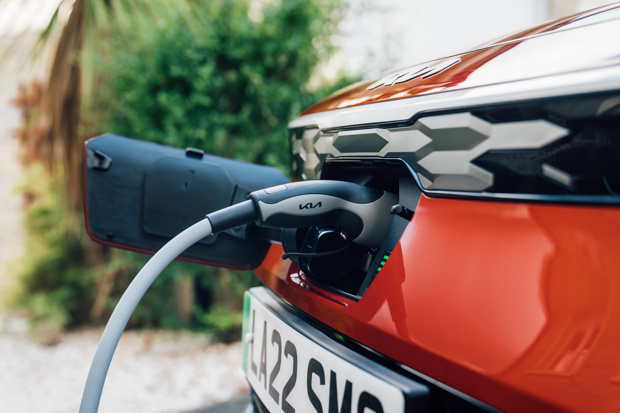
If we all drive EVs, how will the government make up for the £12bn shortfall in fuel duty predicted by the 2030s? Fear not, electric Vehicle Excise Duty (eVED) is here to pay.
The government's pay-per-mile eVED charge is effectively the replacement for fuel duty and applies to electric, hydrogen fuel cell and plug-in hybrid vehicles.
It was announced in the Autumn Budget in 2025 and will take effect on the 1st April 2028.
From this date, electric and hydrogen fuel cell vehicle drivers will pay three pence per mile, which the government says it has set at half of the equivalent rate of fuel duty.
PHEV drivers will pay 1.5p per mile as they will also contribute via the fuel duty on the petrol or diesel they have to buy. So if you run a PHEV on electric most of the time, you're in luck.
The eVED rate isn't fixed and will rise each year in line with the consumer price index.
How will eVED be monitored?
The eVED charge won't require an in-car tracker, although it's likely this will be available optionally. It will be paid in addition to the usual VED amount you pay for owning the car.
As a reminder, owners of new EVs pay £10 VED for the first year, followed by the standard rate, currently £200, per year after that.
If the car's list price was over £50,000, you also have to pay the additional rate, currently £440, each year.
The government says it designed the system to be as user friendly as possible, so you estimate your annual mileage, as you would when buying car insurance - and pay upfront at the same time as you pay your VED bill.
Payments can also be spread across the year and you get credit towards your next payment if you drive fewer miles than you'd thought. Or a bill for the difference if you do more, which you pay in one, or add to your monthly payments over the next year.
Mileages are to be checked annually through the car's first and second annual services, although some EVs don't need to see a dealer for two years, and via the MoT thereafter.
If you've paid for mileage and sell the car, that transfers to the new owner, just like an old fashioned tax disc carried any remaining time with it.
Any exemptions?
If you are exempt from paying VED, for example on some disability benefits, you'll still have to pay eVED. However, vehicle types like vans, buses, coaches, motorcycles and HGVs aren't covered by eVED as electrification isn't progressing as quickly as it is with cars.
If you drive abroad, you can't claim back the mileage. This has significant implications for people who live in Northern Ireland but regularly head south. The government says it will monitor the situation.
