
Calls grow for tougher e-bike rules as safety concerns rise

Thu, 16 Jul 2026
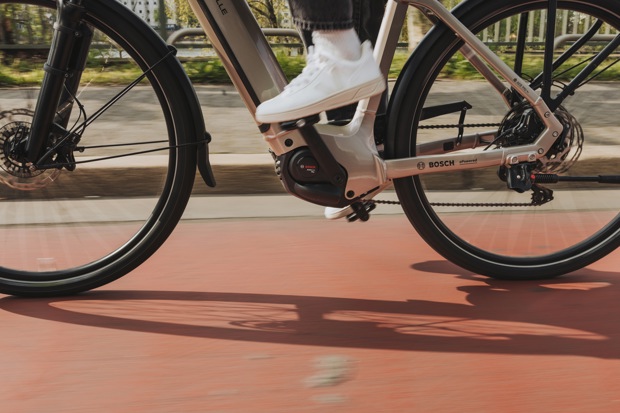
With the number of e-bikes on UK roads on the rise, new research has revealed growing concerns about the safety, legality and compliance of certain models.
Bike insurance firm Tiger.co.uk asked 1000 people of their opinions on e-bikes, with 61% saying they thought they are too dangerous and 44% in favour of banning them altogether.
Significantly, the survey also found that 15% of respondents say they have been – or know someone who has been – in an accident involving an e-bike.
Further to this, the BBC has also reported that e-bike injury payouts now top £110m and are pushing up insurance premiums for all.
E-Bike benefits
For most riders, electric bikes can be a great option, whether you're cycling for fun, exercise or as an alternative to a car or public transport on your commute.
However, the rules surrounding what constitutes an e-bike appear to be causing confusion.
To be classed as an e-bike, they must be limited to 250W of power, must have pedals to propel the bike, and its motor is only allowed to provide power up to 15.5mph.
If this is exceeded, the e-bike should be classed as a moped instead. Then it would need insurance, tax and registration, while the rider would need an appropriate licence.
Clearer rules to avoid e-bike misuse
Tiger's research found that 42% of respondents didn't know of the 15.5mph rule, while the BBC reports that significant numbers of e-bikes have been found to have adaptations that allow them to travel faster than regulations permit.
What's more, a search online reveals that it's easy to buy an e-bike that doesn't conform with regulations, as they're sold for use on private land only.
Over 700 illegally ridden e-bikes and scooters were seized in Scotland last year, up from 49 the year before, making consumer concern about e-bike use understandable.
"E-bikes have the potential to be a useful and healthy form of transport, but we need tougher regulations and clearer guidance on how and when to use them," says Ian Wilson, bicycle insurance expert at Tiger.co.uk.
"The majority of those surveyed thought they were too dangerous, causing them to question if they should be banned altogether.
"Those who own an e-bike have a responsibility to make sure they have bought it from a trusted, legal source, have not modified or tampered with the speed and have all the additional legal requirements in accordance with UK EAPC regulations."
