
Breakdowns jump 16% as 'winter rot' hits caravans and motorhomes

Thu, 02 Apr 2026
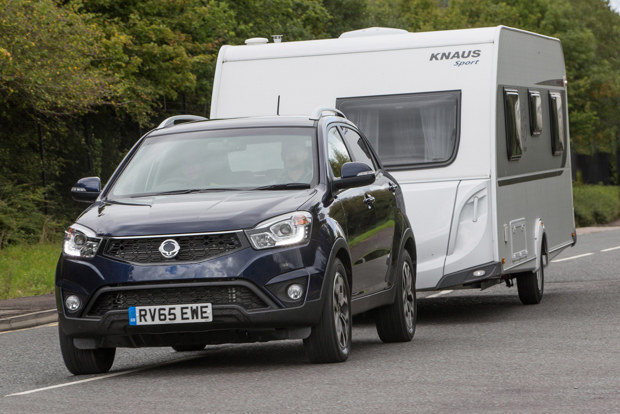
Caravan and motorhome owners are being urged to perform urgent safety checks as new data reveals a 16% surge in towing-related incidents on UK roads.
As the spring touring season begins, figures from National Highways show that 16,705 incidents involving towed vehicles — including caravans, horseboxes, and trailers — occurred between 2022 and 2024. The majority of these (79%) were preventable breakdowns caused by tyre failure after long periods of winter storage.
Tyres on leisure vehicles often have plenty of tread because they cover fewer miles than the average car. However, TyreSafe warns that parked-up tyres are uniquely vulnerable.
While a vehicle sits stationary over winter, tyres naturally lose air pressure and the rubber can degrade through oxidation and UV exposure.
When these under-inflated or brittle tyres are suddenly subjected to high speeds and heavy loads on the motorway, they are prone to overheating, de-lamination, where the tread peels away, or total blowouts.
The study highlights that different vehicles face different risks
Caravans: Under-inflated tyres are a leading cause of snaking. This instability is often triggered when being overtaken by HGVs or caught in crosswinds. It can quickly lead to a loss of control.
Motorhomes: Many motorhomes use CP-marked tyres. These are designed for higher pressures — up to 80 PSI — compared to the 32–35 PSI of a standard car. Inflating a CP tyre to standard car pressures leaves it dangerously under-inflated.
Horseboxes and trailers: These account for the largest share of incidents (over 67% combined). Structural weakening can occur internally even if the tyre looks fine on the outside.
The safety warning extends to the car doing the pulling. TyreSafe points out that the nose weight of a caravan puts significant pressure on the tow car’s rear axle.
If the rear tyres of the car aren't topped up to the manufacturer's fully laden pressure settings, the back of the car will sag, causing the front end to lift. This reduces steering precision and braking efficiency, making emergency manoeuvres far more dangerous.
Stuart Lovatt, Chair of TyreSafe, is urging all owners to follow the ACT acronym before their first trip of 2026:
A – Air Pressure: Check pressures against the manufacturer’s manual for heavy loads, not just standard driving.
C – Condition: Look for "spider-web" cracking on the sidewalls and feel for any flat spots or vibrations.
T – Tread: Ensure there is at least 1.6mm of tread across the central three-quarters of the tyre.
"With towing incidents rising, tyre safety has never been more important," says Lovatt. "Air pressure naturally reduces over time, and tyres that are both under-inflated and degraded are far more likely to fail."
