
MoT changing in 2026: fraud crackdown and new EV rules now live

Wed, 18 Feb 2026
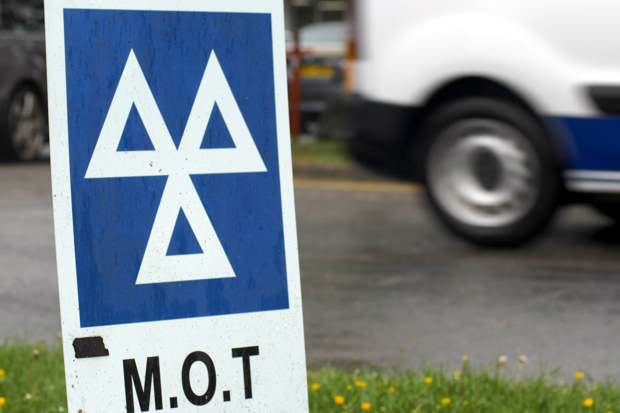
Thinking of booking your MoT? The 2026 rules have officially landed, bringing a major digital crackdown on "ghost MoTs" and stricter safety checks for electric vehicles.
A key change now live that aims to clamp down on dodgy MoT testers by making sure they can play no part in test proceedings. Here are the changes.
Combatting MoT fraud
Another trial to help reduce MoT fraud has also been underway. Hundreds of garages have been taking photographs of cars in the MoT test bay, to confirm they were physically present.
The aim is to crack down on ‘ghost MoTs’, where an MoT certificate is presented despite the car not being present at the test itself. According to government testing body the DVSA, ghost MoTs account for 80% of all MoT frauds, so expect to see more news from the trial once results have been fully analysed.
Electric and hybrid car MoT checks
Reflecting the electrification of the UK’s car fleet, there are more checks in the MoT for EVs and hybrids.
Testers are required to carry out visual inspections of high-voltage cables, EV batteries, charging ports and any visible battery mountings.
The DVSA has also underlined to testers the risk of fatal shocks from damaged high-voltage components, which are usually identified by orange-coloured cabling.
New MoT testing equipment
MoT safety has been under the microscope for 2026. Many garages are now required to introduce new jacking equipment, with an increased minimum safe working load of two tonnes. There also now needs to be a minimum working distance of 1700mm between lifting pad centres.
This is to reflect modern cars becoming ever-heavier, and applies to newly-opened MoT test sites (or those opening an extra testing lane), those undergoing a change of ownership or garages restarting MoT testing activities after a pause.
MoT test fees for 2026
Refreshingly, the MoT test fee hasn’t changed for 2026. The government has capped it at a maximum of £54.85 for a standard car (officially known as ‘Class 4’ vehicles), and a maximum of £29.65 for motorcycles.
Garages can charge less than this, but they cannot charge more.
MoT frequency in 2026
Also unchanged for 2026 is the MoT frequency. The first MoT is still required three years after first registration, with an annual inspection required thereafter.
The government did consult in 2023 about moving the first MoT test from three years to four years, and whether the gaps between tests should be increased, but the conclusion was that the MoT test regime should remain unchanged.
Is your car ready for the 2026 changes? Read our full 2026 MoT Guide here
