
Is your car too secure? How improved keyless tech is driving a spate of home break-ins

Fri, 27 Feb 2026
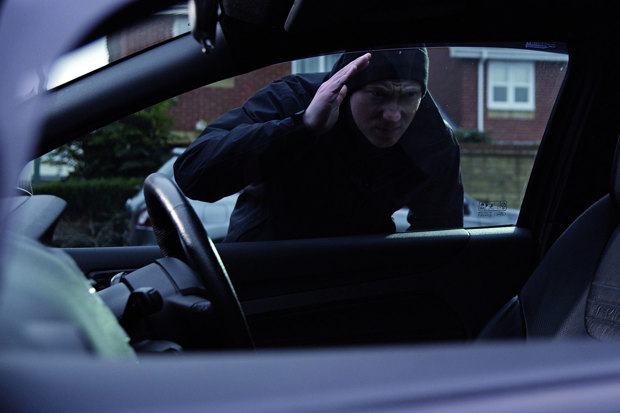
Car thieves might be changing tack once again — and embracing more traditional methods of stealing cars.
Improvements in the robustness of modern keyless entry systems means thieves are switching from so-called relay attacks back to old-fashioned household breaking and entering.
Known as ‘2-in-1 burglaries’, criminals are unlawfully entering homes to take the car keys, then stealing the vehicle itself.
This has been particularly notable in the West Midlands, where there has been a spate of household burglaries by thieves set on retrieving car keys.
“Whilst the numbers we are seeing are low, they are on the rise, and we should be on our guard to prevent this from becoming a nationwide trend,” says Clive Wain, head of police liaison at stolen vehicle recovery firm Tracker.
Wain points to the fast growth in relay attacks as an example of how quickly car theft techniques can gain traction.
In 2015, the Metropolitan Police warned owners about a rise in keyless car theft across the South of England. Just a year later, it had spread across the UK and accounted for 2 in 3 of all vehicles Tracker recovered.
Today, relay attacks account for 93% of stolen vehicle recoveries.
The demand for stolen vehicles is not diminishing, with cars being stolen to order and illegal ‘chop-shops’ also fuelling thefts.
Owners shouldn’t think it’s just premium cars at risk either, with more mainstream vehicles worth more for their parts than as a whole.
What are the best ways to protect from old-school methods of car crime? Wain’s tips include:
- Keep doors and windows locked at home
- Store keys out of sight and away from the front door
- Make life difficult with security posts or a big gate
- Use an alarm as it will stop thieves hanging around
- Use motion-activated security lights
- Avoid parking in dark areas
- Mark parts with visible marking
Get the latest car news and expert advice. Sign up for the Honest John newsletter
