
Find the cheapest petrol near you: government 'Pumpwatch' scheme finally goes live

Wed, 04 Feb 2026
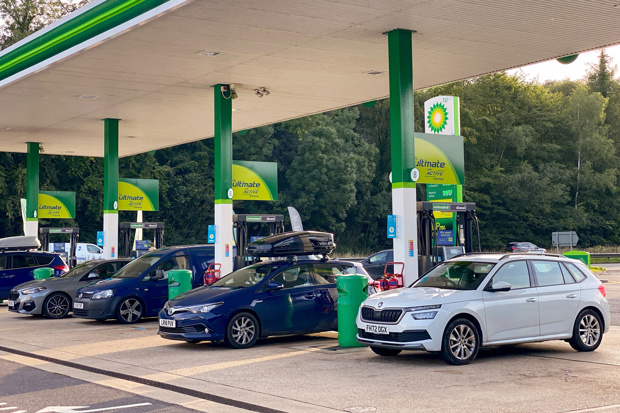
Drivers are finally able to compare the cost of fuel at UK filling stations across a range of apps and websites - like Fuel Finder - thanks to open source data from the government’s Fuel Finder Scheme.
The long-promised initiative, also known as the ‘pumpwatch’ scheme, went live on Monday 2 February. It requires garages and filling stations to report live fuel prices, including any price changes within 30 minutes.
The chancellor, reports BBC News, reckons it could save households £40 a year by being able to find the cheapest petrol and diesel near them.
The Competition and Markets Authority believes the Fuel Finder Scheme will "spur competition as fuel retailers compete for customers."
It follows earlier CMA findings that competition between filling stations has been "weak" and their profit margins were "persistently high."
There is no single government app for the Fuel Finder Schme. Rather, it delivers open-source data to established apps and websites. And, instead of being voluntary, all businesses that sell petrol and diesel must now share prices to the government database.
The information will also be used by modern in-car sat nav systems to show live fuel prices on mapping displays while driving.
Filling stations are required to report amenities and facilities through the scheme as well, including AdBlue availability, plus whether they offer air, water and a car wash, along with 24-hour opening status.
"We hope this is the start of the journey to cheaper fuel prices around the UK. As a growing number of the country’s 8300 forecourts submit their prices on a daily basis, drivers will be able to easily find the cheapest forecourts near them using their favoured app or sat nav," says RAC head of policy Simon Williams.
However, trade title Forecourt Trader has warned that 1 in 4 forecourts were still not signed up to the mandatory price-reporting scheme when systems went live this week – leaving them in breach of the law.
Around 6200 of the UK’s near-8300 filling stations were registered, according to data from the firm behind pricing tool Petrol Prices.
Non-compliant firms face fines of up to 30% of their turnover, although the CMA said that, during the first three months of the scheme going live, its focus will be on "supporting business to comply with the new regime rather than enforcement action."
