
Mobility scooter owners could be breaking the law: Users warned over DVLA registration

Wed, 25 Mar 2026
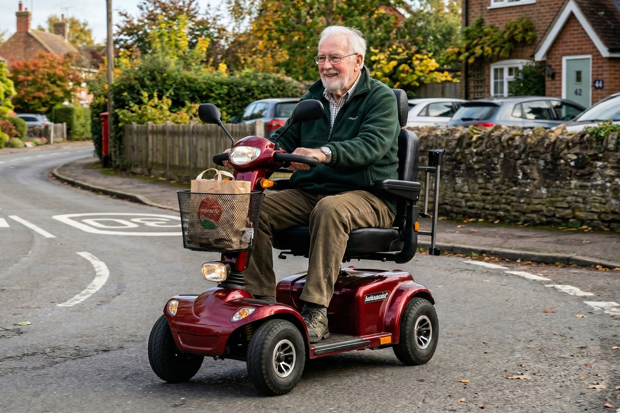
Mobility scooter users are being warned they could unwittingly be breaking the law by riding a machine not registered with the DVLA.
Larger road-capable machines are known as Class 3 scooters. These don’t need a driving licence or paid road tax to use — but are still legally required to be registered.
However, growing numbers of mobility scooter users are unaware of this, particularly those buying secondhand scooters or receiving them as an accessibility gift from friends or family.
“People don’t realise there are different types of mobility scooters,” says Lee Cartwright of Mobility Solutions Direct, “so registration just isn’t something they think about.
“They’re often picked up quite casually online, through someone they know, or passed on — and there’s no clear point where anyone explains what’s required.
“But if a scooter is being used on the road and hasn’t been registered, then technically it isn’t compliant, and that’s where people can get caught out.”
Class 3 scooters need to be registered because they can be used alongside other traffic. Designed for both pavement and road use, they have a top speed of 8mph — although this is only to be used on the road.The maximum pavement speed, in contrast, is 4mph.
This is why Class 3 scooters are required to have two speed settings. They should also have features such as lights, indicators, mirrors and a horn.
Once registered with the DVLA, they are issued with a logbook.
Class 2 scooters, in contrast, are smaller and are limited to pavement use — they therefore don’t need to be registered.
“It’s one of those rules that tends to fly under the radar,” says Cartwright.
“Mobility scooters are designed to make life easier, so people don’t always expect there to be technical requirements behind the scenes.
“But when a scooter is capable of being used on the road, there are a few extra things to be aware of.”
