
Groundhog Day: Motorist caught drink-driving 10 times as RAC slams 'failing' bans

Thu, 26 Feb 2026
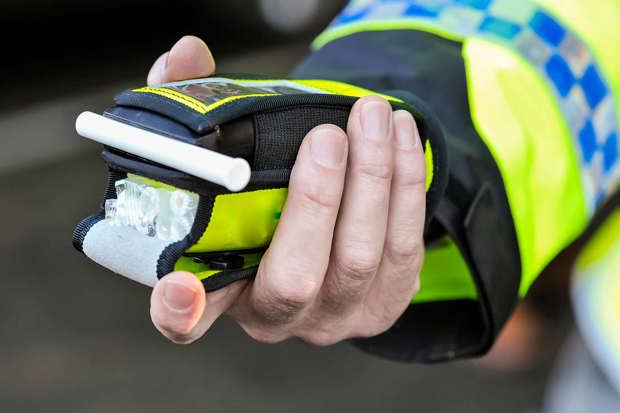
More than 2500 motorists have been caught drink driving at least three separate times since 2014, new RAC data shows.
The revelation follows news the government is considering slashing the drink-drive limit.
One driver amassed an eye-watering 10 separate drink-drive convictions, another had eight and a further 13 picked up six drink-drive convictions each.
The shocking repeat offender stats come from a Freedom of Information request by the RAC. This also shows that more than 220,000 drivers currently hold alcohol-related convictions.
What are drink driving convictions?
- DR10: Driving or attempting to drive with a blood alcohol level above the legal limit.
- DR20: Driving while unfit through drink (even if under the limit, but impaired).
- The penalty: Both carry a minimum 12-month ban and stay on your licence for 11 years. In 2026, insurance for anyone with these codes is becoming almost impossible to find outside of specialist high-risk brokers.
“These figures make it painfully clear that licence disqualification alone does little to prevent some convicted drink-drivers reoffending,” says RAC road safety spokesman Rod Dennis.
“The solution for repeat and high-risk drink-drivers who are highly likely to get behind the wheel again after drinking is something that physically prevents them doing so.
“Alcohol interlocks, or ‘alcolocks’, do just that — they are breathalyser devices fitted to a vehicle’s ignition system that prevent it being started if the driver has been drinking alcohol.”
Public support for them is already strong, said Dennis, with more than 4 in 5 backing them, according to RAC data.
What is an Alcolock?
An "alcolock" or alcohol ignition interlock is a breathalyser wired directly into a vehicle’s ignition. Before the engine starts, the driver must provide a clean breath sample. If they are over the limit, the car stays immobilised.
- The success rate: Studies show these devices can reduce reoffending by up to 70%.
- The cost: In most countries, the offender pays for the installation and monthly lease of the device (typically around £50–£100 a month).
“While one instance can kill, 10 occurrences on the same licence is a truly grim Groundhog Day that must be prevented. Surely as a society we can’t afford not to be using alcolocks.”
The Lock Out Drink-Driving Campaign was launched in December 2025 to call for exactly that — a mandatory alcolock programme for repeat offenders.
“These figures should be a wake-up call,” says a campaign spokesperson.
“We welcome the government’s interest in alcolocks in the new Road Safety Strategy, but this data shows decisive action is needed now.”
Alcolocks are already used in many EU countries, along with Canada, Australia, New Zealand and the US.
Studies show they can reduce reoffending by up to 70% — and a Dutch study indicates drivers who had them installed are less likely to reoffend once they are removed, too.
Drink-driving myths debunked (2026 Edition)
"I can't be charged if I'm just sitting in the car." — FALSE. This is a DR40 (In charge of a vehicle while above the limit). You don't even need to have the engine running to face a ban.
"Alcolocks are only for lorries." — FALSE. While common in fleets, the 2026 proposal would see them fitted to private cars for anyone with a second conviction.
"A DR10 stays on my record for 5 years." — FALSE. It stays on your licence for 11 years from the date of conviction, making it a decade-long financial burden.
Get the latest car news and expert advice. Sign up for the Honest John newsletter
