
How to overturn a parking fine caused by a typo

Mon, 26 Jan 2026
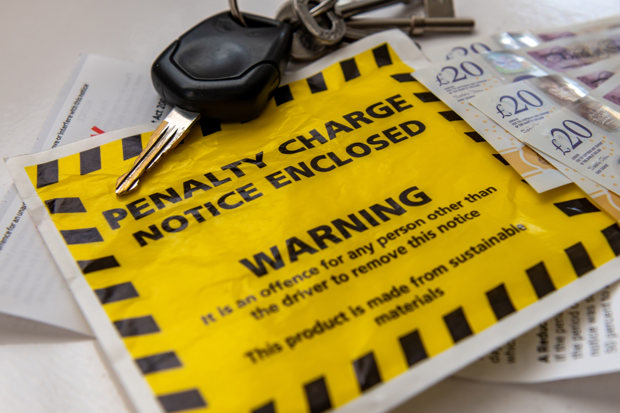
A driver has successfully overturned a parking app fine after proving that he paid to park his car but made a minor keying error while entering his details.
He escaped the fine through a parking loophole that Sky News, which carried out the research, says motorists need to know about.
The driver who was fined for a keying error having paid to park in Dublin Street, Edinburgh. He paid using the RingGo app, within which he made the typo.
The council rejected his appeal despite proof of payment — so consumer dispute expert Scott Dixon advised him to escalate it.
Dixon noted the Equality Act 2010 along with, in this case, the Scottish government’s Decriminalised Parking Enforcement (DPE) guidance, which emphasises that enforcement must be fair, reasonable and proportionate.
“Minor, foreseeable human errors, where payment has clearly been made, should be mitigated and the fine cancelled,” said Dixon.
“In this case, he didn’t deprive the council of any income; he simply made a keying error.”
Referring to the Equality Act — and the Disability Discrimination Act 1995 — Dixon said he would cite them, “as local authorities are sensitive and risk-averse to accusations of direct or indirect discrimination”.
After these elements were put to the council though its complaints channel, the penalty charge was cancelled. “The complaints team accepted that payment had been made, human error is understandable and failing to exercise discretion was not in the spirit or letter of the law.”
Dixon added that England has its own Civil Parking Enforcement (CPE) guidance, which is similar to Scotland’s DPE. The Welsh government has also adopted it.
But what if the local authority still rejects the appeal? Dixon says motorists should take it up with the Traffic Penalty Tribunal.
There’s a list of reasons for appeal and he would choose: ‘There has been a procedural impropriety by the authority’.
“This indicates the authority has not complied with the relevant regulations (the Equality Act 2010 is statutory legislation and cannot be ignored).
“Evidence is crucial — photos, screenshots, bank statements — and you should stress that you have not deprived the council of any revenue and that it was a genuine, minor keying error.”
