
Councils given new powers to clamp down on obstructive pavement parking

Wed, 14 Jan 2026
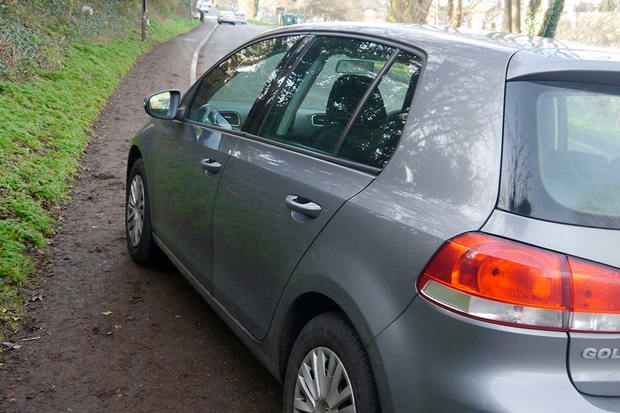
Local councils are to get new powers in 2026 to take action on problematic pavement parking in their area.
The government will pass secondary legislation giving local authorities the ability to enforce against "unnecessary obstruction of the pavement."
The local powers were chosen over another proposal for a ‘one size fits all’ national prohibition on pavement parking, as seen in Scotland.
The idea is to give local leaders, who in theory know their streets best, the power to take action where pavement parking causes the greatest problems locally – without banning pavement parking entirely in areas where it may still be acceptable.
"Clear pavements are essential for people to move around safely and independently," says local transport minister Lilian Greenwood, "whether that’s a parent with a pushchair, someone using a wheelchair, or a blind or partially sighted person. That’s why we’re giving local authorities to power to crack down on problematic pavement parking."
The Department for Transport says it will now set out guidance for local authorities to use in a "proportionate and locally appropriate way" later in 2026.
"Our research shows a clear majority of drivers agree that no pavement users should be made to walk or wheel into the road because of someone else’s inconsiderate parking,” says RAC senior policy officer Rod Dennis.
"These proposals should clear the way for councils to prevent pavement parking where it causes problems, but permit drivers to partially park on pavements where doing so helps keep traffic flowing and doesn’t inconvenience other people."
Mayor of the West Midlands Richard Parker said it was a "practical step… giving decisions to local leaders means solutions that reflect how our streets actually work.
"Most drivers want to park safely and considerately, and these new powers help in areas where dangerous parking causes real problems."
A survey last year showed 7 in 10 drivers supported a ban on pavement parking.
