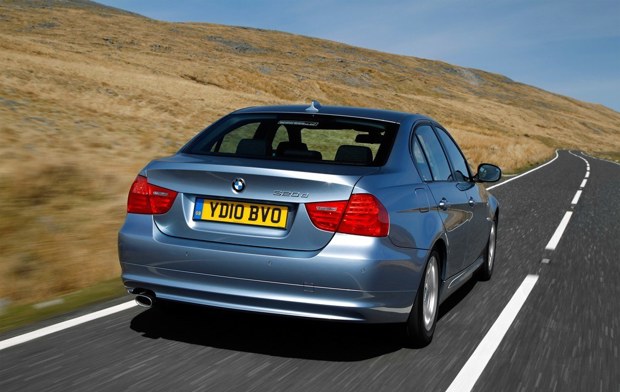
A Future Classic? BMW E90 3 Series is the best of a great dynasty

Fri, 19 Jun 2026
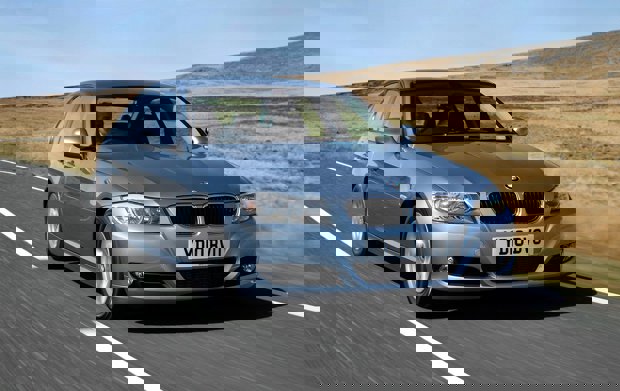
Some future classics are easier to predict than others and when it comes to BMWs, you’re almost spoilt for choice.
It helps that the German manufacturer is pretty consistent with its new models. Sure, there have been some missteps along the way – the E65 generation 7 Series raised a few eyebrows with its design and the E84 X1 was miles away from the brilliance of the original X5.
But for its bread-and-butter products, it’s rare for the Bavarians to slip on the sauerkraut. And arguably the most loved – and certainly most popular models – is the BMW 3 Series. The first generation E21 and follow-up E30 series are well into classic territory, with the next two generations already with a devoted following.
Which is why the time is just right for the fifth edition, the E90, to get wallets twitching. And it has a lot of factors in its favour. For starters, the very earliest examples are now just past 20 years old, with the last off the line approaching 13, so there’s plenty of choice.
The early 2000s on is also a sweet spot in terms of technology. E90-generation cars are blessed with OBD ports and also benefited from tech like active xenon headlights and DAB, but are too early for the plethora of on-board computers that mean you need a PhD in computer science to fix them yourself.
And even if you do need to get down and digital, it’s not impossible to get hold of hooky versions of dealer-level diagnostics and programming tools...
You’re also blessed with a ridiculous number of engine and bodystyle options. There’s the E90 saloon, E91 Touring, E92 coupe and E93 convertible with a folding metal roof.
Petrol engines span the 1.6-litre 316i to the 3.0-litre straight six 328i and 330i, to which you can add turbos in the 335i and doesn’t even cover the sensational S65 4.0-litre V8 in the M3. The diesels were spot on too, although the earlier M47 and M57 engines are known to be more reliable than the later N-designated versions.
The design has held up remarkably well. While the sometimes controversial Chris Bangle was still head of BMW design at the time, the E9X generation 3 Series had an edginess to it but was more subtle than the contemporary Z4 and is all the better for it. It still looks sharp and fresh – get a good colour and the right wheel choice and it will still attract admiring glances.
And because this is a 3 Series, you can take it for granted that it drives well. Aluminium components up front and a five-link rear suspension design at the rear meant balance, rear-wheel-drive hooliganism if that’s your thing and decent ride quality, as long as you bin off the run flat tyres.
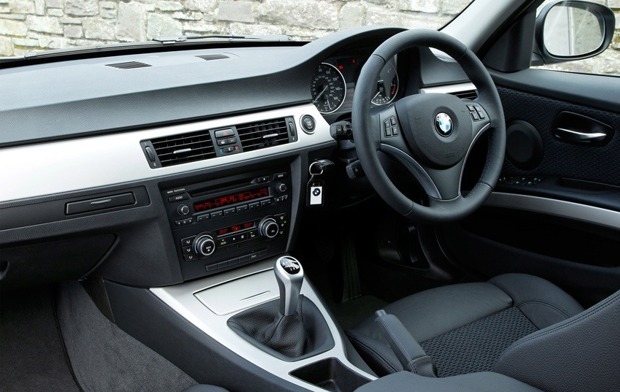
If you’re thinking of taking the plunge, coupes and saloons are the most favoured bodystyles although the wagon still looks smart. Anything with six cylinders has extra cache, although if you can find one, the 320si was a homologation special with more power, bigger brakes and small weight saving. Beware though that the engine is a delicate flower and needs care.
2009-on facelift cars (LCI in BMW-speak) are arguably better-looking still, while M Sport cars are the most desirable for their sharper looks and stiffer suspension. Some things never change.
As for reliability, as a general rule this generation is pretty tough, but there are some common issues and some models to give a wider berth. Just like its predecessors, rust can be a factor in all the same places – wheelarches can let go and rear subframes can rot out with age. It’s possible to replace the whole thing, but it’s a faff even for a competent home mechanic.
Generally speaking the six-cylinder engines are more robust. Avoid the N47 four-cylinder diesel and its problematic rear-mounted timing chain. New BMW parts are generally as pricey as you’d expect, but there are a multitude of good specialists to help and parts support is still strong, so there should be no problem that is insurmountable.
When it comes to pricing, it’s a matter of ‘how much have you got?’ Buy from a non-enthusiast and there are bargains to be had, but branded jacket owners will tell you their 200,000 mile 325i M Sport is worth five grand, so don’t be sucked in. You can start as low as you want too – how about a 2005 325i SE saloon with 140,000 miles for £995? Or a 325i Coupe auto with just over 100,000 miles for £1750?
Even at lower mileages you still don’t need silly money, like £11,000 for a very high spec 335i M Sport Coupe with 60,000 miles. However, if it’s an M3 you’re after expect to double the numbers and the bills – prices start at £12,000 for high mileage examples.
The classic tag might seem a bit early for a car that only went out of production little more than a decade ago and is still a common sight on the road, but over the next five years the dog-eared examples will drop out of circulation leaving only the good stuff behind. And that’s when you’ll regret not taking the plunge when prices were good.