
Back to the future: Citroen Eole — the British-designed space-age estate that predicted the future

Mon, 09 Mar 2026
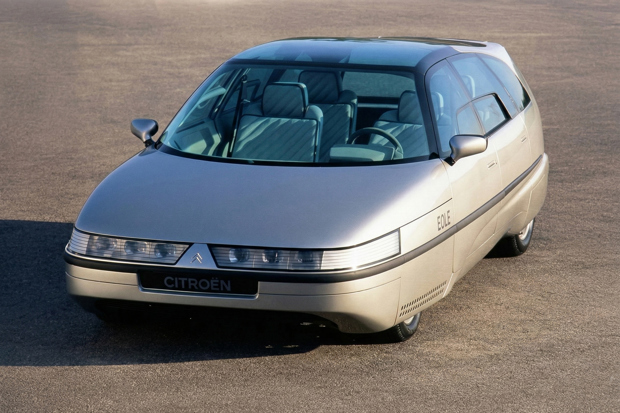
When Citroen took the wraps off its Eole concept car at the 1986 Paris Motor Show, it was billed as the most aerodynamic car ever created.
Developed to minimise drag and maximise efficiency, the prototype claimed to have a drag coefficient of just 0.19, which is an exceptionally low figure even by today’s standards.
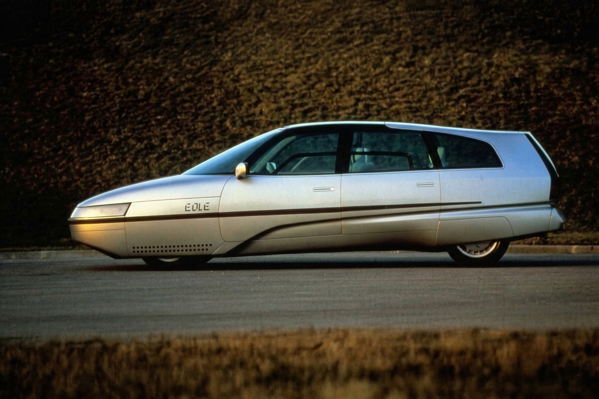
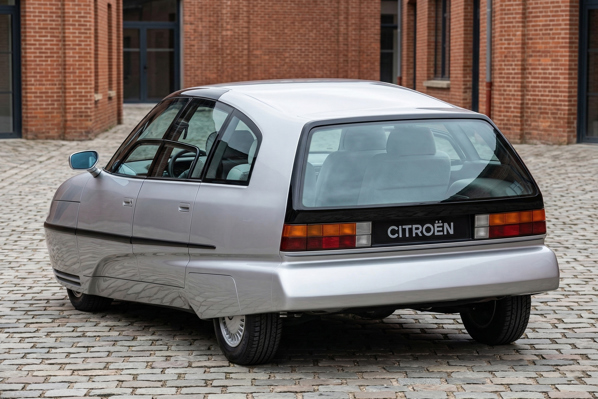
It was loosely based on the Citroen CX estate and had an amorphous body with fared-in headlamps, with both the front and rear wheels covered. The front wheels were shrouded by panels that could retract automatically when the vehicle was turning and drop back into place once travelling in a straight line.
Citroen’s design team was led by Marc Deschamps, but most of the work on the Eole was done by Briton Geoff Matthews, who had joined Citroen from Peugeot-Talbot UK.
His previous work included the Chrysler Alpine, the Talbot Tagora, the memorable Matra Rancho and the Renault Espace — which was originally designed as a Peugeot — so he was used to some pretty abstract thinking.
It was one of the first concept cars to be designed entirely by computer, other than Matthews’ original design sketch, which was fed into the machine to be brought to life as a full-sized model.
Matthews said that the Eole’s design was inspired by the shape of a bird’s wing, emphasising its elegance and aerodynamic efficiency. In addition, the large glasshouse offered exceptional visibility, while the sloping roofline was not only aerodynamic, but was also styled to give “an image of motion while stationary.”
While the Citroen Eole was based on the chassis of the Citroen CX, its bodywork was constructed from lightweight materials, including aluminium and plastic panels.
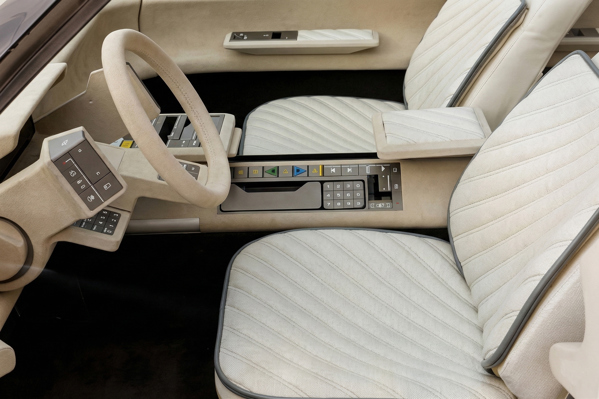
The interior was equally forward-thinking, featuring an array of electronic controls and displays that foreshadowed the digital dashboards and touchscreen infotainment systems we see today. For example, the steering wheel housed touch-sensitive controls for functions such as climate control and audio, freeing the dashboard from switches and giving a futuristic, minimalist feel.
Another noteworthy innovation was the use of solar panels integrated into the roof, which powered various auxiliary systems within the car. While such technology was in its infancy during the 1980s, Citroen’s willingness to experiment with renewable energy was ahead of its time.
Safety was not overlooked in the Eole, either. The car was equipped with a host of electronic aids, including anti-lock brakes and automatic emergency lighting — in the event of an accident, the Eole would automatically switch on its hazard lights and interior illumination to assist rescue efforts and alert other drivers.
Under the bonnet, things were less revolutionary. The Eole was powered by a 2.0-litre turbocharged engine, borrowed from the CX Turbo, while the car’s suspension system used Citroen’s legendary hydropneumatic set-up, delivering a typically supple ride.
It was never going to be a production reality – the covered front wheels and complex lift-up wheel flaps saw to that — but as a vision of the future, the Eole brought innovations that have certainly influenced the cars we drive 40 years on. It’s also gloriously weird — just how any good Citroen should be.
Get the latest car news and expert advice. Sign up for the Honest John newsletter
