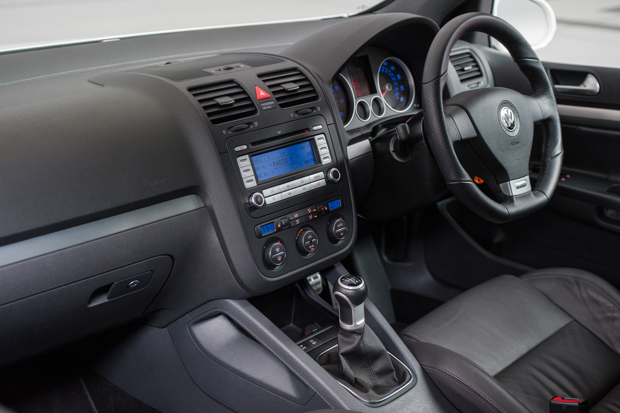
A future classic: Is the Volkswagen Golf GTI MkV the ultimate modern classic hot hatch?

Mon, 23 Mar 2026
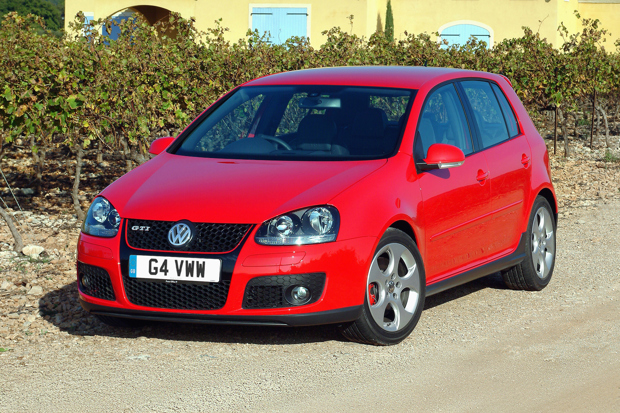
Make a shortlist of the definitive hot hatches since they first became a thing in the 1970s and you can be pretty sure the Volkswagen Golf GTI will appear somewhere on it.
Volkswagen wasn’t the first to market, but it perfected the formula with the MkI in 1976 and - depending on how much of a die-hard fan you are - made it even better with the MkII in 1985.
The third-generation Golf GTI was fine, but the competition had caught up and it was no longer the best in class. Then the MkIV arrived and although it sold by the bucketload, it was a generally-accepted truth that the Golf had lost its way.
But the introduction of the Golf V in 2004 was the beginning of the GTI regaining its mojo. It was a more polished and sophisticated base car, with multi-link rear suspension and a stiffer bodyshell making it handle again. And it was clear that the Volkswagen engineers had decided to make up for the wilderness years.
The MkV GTI used a 2.0-litre turbocharged EA113 engine dishing out 200PS and as well as a slick six-speed gearbox it was also available with a DSG dual-clutch transmission for the first time — the rapid-fire shifts meant it could crack 62mph in under seven seconds. While it was still happy to rev, the turbo meant plenty of low down torque so it could cruise happily too.
The chassis was the real star however. Firm but still compliant enough to be used every day, it struck just the right balance for a hot hatch. It steered sweetly and could still perform the old Golf GTI trick of cocking an inside rear wheel if you were so inclined.
Volkswagen got the wrapping just right too. Subtle exterior changes separated it from a regular Golf without shouting about its potential and the optional 18-inch telephone dial alloy wheels were gorgeous, if prone to kerb rash. You could even have chequered seat trim too — a nod to the GTI’s glorious past.
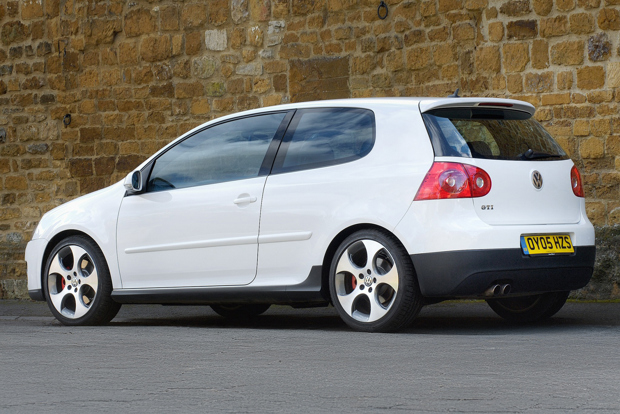
When it comes to buying one, patience is your best friend. There are plenty of abused and badly-modified examples to swerve — in an ideal world you want a pampered example that is factory spec.
£2500 will get you a sketchy example with 150,000 miles or more which is fine if you want a project, but £4000 is a more realistic starting point for something usable in good shape.
Like most cars approaching 20 years old, important bits will start to wear out. If well maintained MkV Golf GTIs are reliable, but there are some sticking points.
A car with 70,000 miles or more should have had its cambelt changed and specialists recommend a change every four years. Fuel pumps can be noisy and may need closer inspection while coil packs can also let go.
DSG gearboxes should be trouble-free but only if properly maintained, while suspension components can become weak or wear out causing uneven tyre wear and iffy handling. Luckily replacement parts are relatively easy to get hold of and there are plenty of good GTI specialists who can help.
The beauty of the Golf GTI MkV is that it recaptures the spirit of the first two generations while being modern enough to be civilised and comfortable. Better yet, because of its age it should just be approaching the bottom of the price curve.
With ruined MkVs ending up on the scrap heap, clean and cared-for examples will become more sought after - the right time is now.