
A future classic? Is the Skoda Yeti the thinking driver's SUV?

Mon, 30 Mar 2026
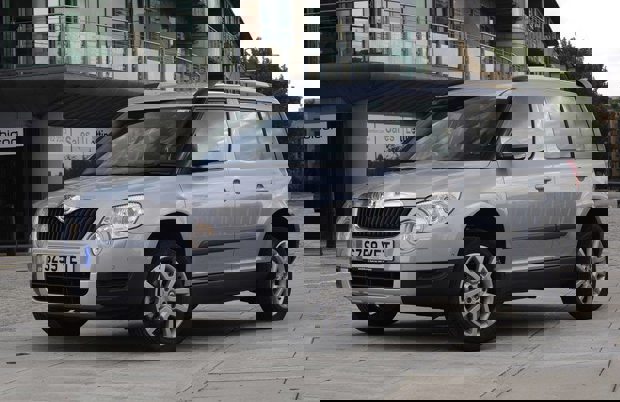
You can’t get away from SUVs these days and if you want a family car then non-SUV options are relatively limited — you’re almost obliged to buy one.
But it wasn’t always this way. In the mid-2000s the majority of SUVs were still four-wheel-drive and had ladder frame chassis or were at the top end of the market like the BMW X5.
Skoda, boosted by its Volkswagen Group parentage, was in the advantageous position of having plenty of in-house mechanicals to use but with a bit more freedom to find its own niches. The Skoda Roomster arrived in 2006, which used a mix of two Volkswagen platforms to create a small hatch-sized car with a giant rear load space and flexible seating.
That sowed the seeds for the Skoda Yeti, which arrived in 2009 and took the good ideas from the Roomster and wrapped them up in a chunky, but still compact body. Running on the same platform as the second generation Skoda Octavia meant it was more refined and came with the option of front-wheel-drive or four-wheel-drive if you were really serious about outdoor adventuring.
You also had the pick of Volkswagen’s modern engine line up, with TSI turbo petrols from 1.2-litre all the way up to the slightly ridiculous 1.8, as well as 1.6-litre and 2.0-litre TDI diesels. Alongside a six-speed manual you could have a DSG twin-clutch auto too.
The clever seating was a huge plus. Called VarioFlex, the second row was made up of three individual seats that could be reclined, folded or removed completely. You could also take out the centre seat and slide the outer two closer together.
With the ability to fold the front seat forward you could carry long loads in something the same length as a modern Nissan Juke. These may have been the kind of features that contemporary MPVs offered, but it wasn’t something you often found in something this size and shape.
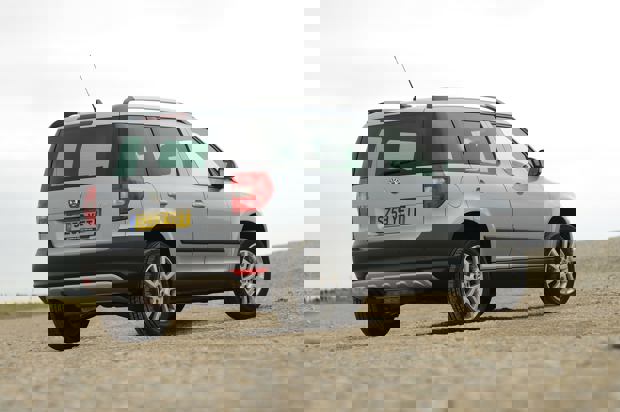
The driving experience was surprisingly good too. Despite the tall body the driving position was only slightly raised, so you got a slightly better view but never felt like you were driving anything other than a hatchback. It handled well for something with no sporting pretensions making it comfortable and refined at a cruise.
Later in its life it received a facelift, which with hindsight was not necessarily an improvement, while the engine range was cut down and the Outdoor model was introduced, which gained body protection for more serious off-roading. Eventually the Yeti was effectively replaced by the Skoda Karoq and Kamiq — far more conventional SUV crossovers in comparison.
Today the Skoda Yeti still stands out as something a little bit different, yet remains a very sensible purchase that offers a lot of practicality for the money. You don’t need much to get on the ladder either — higher mileage examples are changing hands for less than £2000, while last of the line 2017 examples with very low mileages are fetching £17,000.
The good news if you’re buying is that they have a good reliability record and are unlikely to be bought by careless owners — plenty of the examples we found had full service histories even at 15 years old.
As for specific issues, early 1.2-litre engines were known for occasional timing chain issues, while higher than average oil consumption means a good service history is a must. Small electrical issues have been known to occur so a thorough check of all the gadgets is essential and that the four-wheel-drive system has had regular oil changes on 4x4 versions.
It’s easy to see the Yeti now as a humble runaround, but it was a genuinely intriguing piece of design at launch and showed Skoda at its best — prepared to try something a bit different to give customers exactly what they wanted. Its popularity proved it was on to something. If you need something sensible to use every day, there are hundreds of far less interesting options cluttering up the classifieds…

