
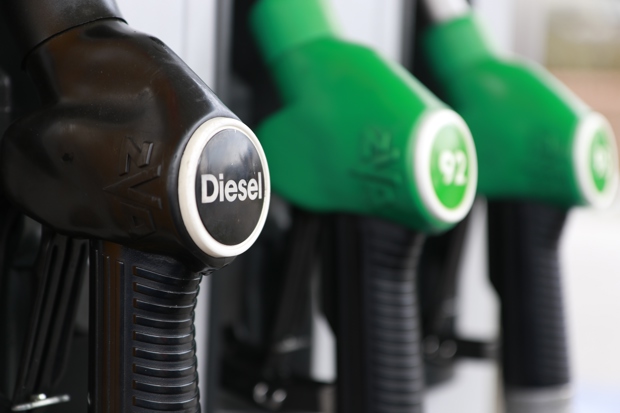
Question of the week: Is diesel fuel being withdrawn in 2030?

Fri, 27 Feb 2026
Dear Honest John,
"Does it make any sense to buy a diesel car today, when diesel fuel is likely to be withdrawn after 2030? And so its trade in/resale value will be dramatically reduced?"
- JM
Dear JM,
It depends entirely on your annual mileage, but let’s clear up the biggest misconception first. Diesel fuel is not going to be withdrawn in 2030.
While a recent think-tank report titled 'The death of diesel' suggested some London forecourts might stop stocking it by 2030 due to low demand, the Petrol Retailers Association has confirmed there are no definitive plans to stop selling diesel.
With over 10 million diesel vehicles currently on UK roads — including almost every delivery van and HGV powering our economy — the infrastructure for diesel will remain for decades.
The trade-in value won't vanish but it is changing. We are seeing a polarised market. Small diesels such as hatchbacks are losing value faster. Most buyers in this market are switching to petrol or EV and the "stigma" hits these cars hardest.
However, large diesels such as SUVs and tow cars are holding their value remarkably well. For people towing caravans or covering 20,000+ motorway miles a year, there is still no better tool for the job.
A diesel is ideal if you cover more than 12,000 miles a year (mostly on motorways) or you regularly tow a heavy trailer or caravan. Plus modern diesels are Euro 6-compliant (typically 2015 or newer), which remain ULEZ/CAZ exempt in most cities.
However, we'd steer clear if you do mostly short, urban trips. You’ll clog the diesel particulate filter (DPF) leading to repair bills.
In short, if you buy a diesel today for the right reasons (long distance), the fuel savings will likely outweigh any slightly higher depreciation. But if you're a low-mileage driver, the smart money is now in hybrids or EVs.
Get the latest car news and expert advice. Sign up for the Honest John newsletter
