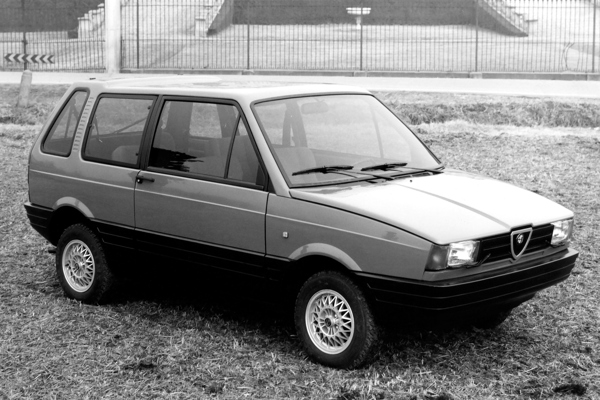
Back to the future: Alfa Romeo Z33 Free Time - the forgotten Zagato-designed SUV ahead of its time

Mon, 26 Jan 2026
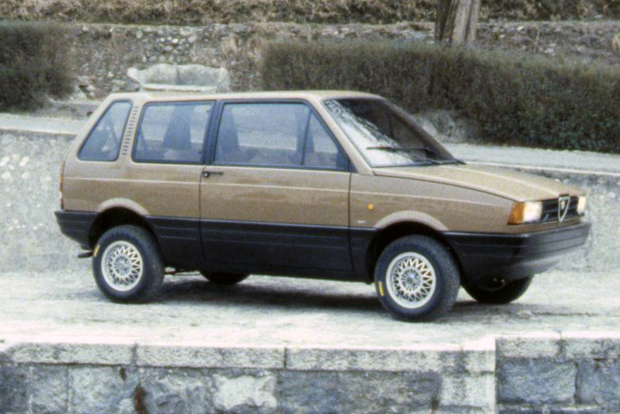
Alfa Romeo is renowned for making some of the world’s most beautiful cars. And with due reason. After all, the brand has a passionate, enthusiastic following based on cars with timeless lines, motorsport heritage and huge driver appeal.
The 1984 Alfa Romeo Z33 Free Time concept has none of these – so why is it such a fascinating machine?
Put simply, the Z33 Free Time was ahead of its time. In today’s car market, where crossovers and a fusion of boxy MPV and SUV styling seems to be all the rage, Alfa was predicting the future. The Free Time is up there with the Talbot-Matra Rancho, the first generation Renault Megane Scenic and the Rover Streetwise as one of the most visionary cars ever created – and yes, we did just say that. And we’ll stand by it.
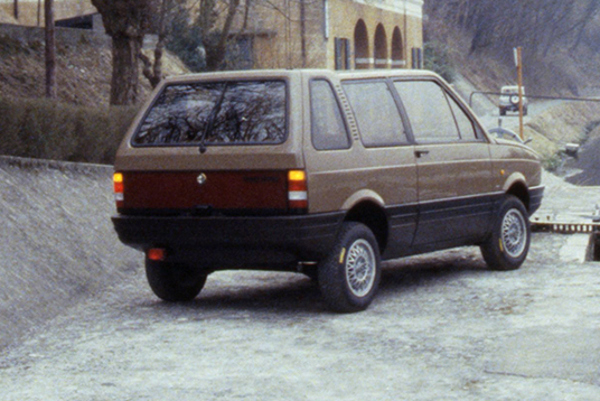
A car doesn’t have to be great to predict trends, after all, and if you look at any of the models we reference in isolation and at the cars that are flying out of showrooms in the 2020s, it’s fair to say that the designers of these vehicles were responding to needs that many buyers hadn’t even realised they had at the time.
Unlike the other three, the Alfa Z33 Free Time never made it to production and in many ways that’s a real shame. Oddball looks aside, it was a brilliantly conceived idea, created for Alfa Romeo by Zagato and making its public debut at the 1984 Geneva Motor Show.
For starters, it was a six-seater, with two rows where passengers could sit three abreast à la Fiat Multipla. Then there was the simplicity of it – it was clearly designed in a way that it could be considered for production, so it used the platform of the Alfa Romeo 33 hatchback, along with modified Fiat Uno three-door doors that would have been much cheaper to produce than fully bespoke items.
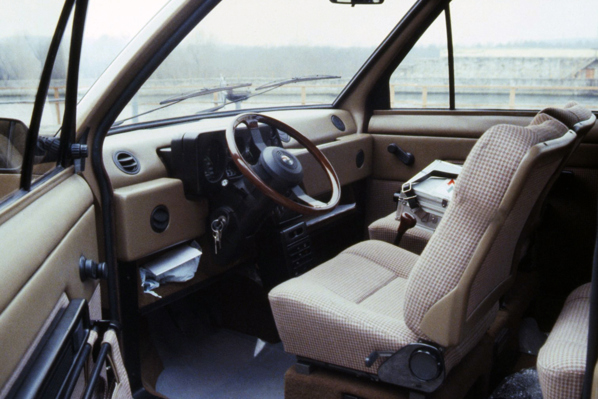
Much of the facia and switchgear was shared with the Alfa 33, as was the four-cylinder ‘boxer’ engine, which added a healthy dose of character.
The ride height was increased to give it a chunky, off-road look, but beneath the boxy body it was front-wheel-drive. Meanwhile, a raised rear roof and large rear glass area gave a hint of what else was to come in the new car market – Land Rover Discovery, anyone?
Ultimately, the Alfa Z33 Free Time never made production, though it would have given Alfa Romeo a new market sector to aim for and may well have captured imaginations had it looked a little less… gawky, perhaps?
Instead, it remains a curious motoring might-have-been. It still survives in the Centro Storico de Alfa Romeo in Milan – indeed, it was even wheeled out for the launch of the Tonale in 2022, to prove that the concept of a compact Alfa Romeo SUV wasn’t anything new…