
Drug driving offences overtake drink driving for the first time

Wed, 15 Jul 2026
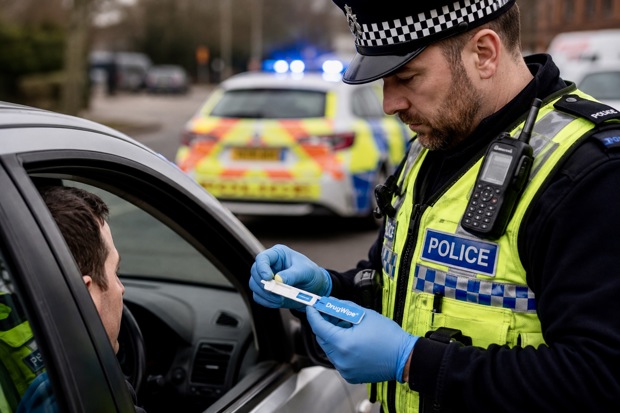
The number of drivers caught for drug driving has overtaken those for drink driving for the first time.
The worrying trend was identified by road safety charity IAM RoadSmart, following an analysis of DVLA data.
The charity looked at the number of DG10 offences, which are defined as driving or attempting to drive with a drug level above the specified limit. In 2025, 30,707 licenses were endorsed, up 28% from the 23,981 recorded in 2022.
The equivalent DR10 offence, of driving or attempting to drive with alcohol level above limit, drew 29,769 licence endorsements, which is 17% down on the 35,976 recorded in 2022.
Young drivers drug drive more often
IAM RoadSmart's analysis also uncovered that young drivers – those aged 17-24 – received almost a fifth (18%) of all drug driving endorsements. That's despite only making up around 6% of all licence holders.
What's more, the 2025 data for those aged 17-19, the youngest age group, revealed 1100 drug driving endorsements, more than double the 464 recorded for all drivers aged 60 and over.
The increase in drug driving endorsements is down to the fact that police forces have more tools at their disposal, with roadside swab tests able to confirm if a suspect is driving under the influence of cannabis or cocaine.
In May 2026, Hampshire and Isle of Wight Police and Thames Valley Police began trialling the world’s first nitrous oxide – better known as laughing gas – breathalyser.
Not just illegal drugs
It's not just illegal drug use that fuelling the increase in drug driving penalties. In England, Scotland and Wales it's illegal to drive after taking legal drugs, like those you get on prescription, if they impair your driving.
As with illegal drugs, penalties can include a minimum of a year driving ban, an unlimited fine, up to six months in prison and a criminal record.
And, just as with the drink driving regulations, drug driving endorsements, including the DG10 offences mentioned above, remain on your licence for 11 years.
"It’s becoming clear that the UK is mired in a drug driving epidemic, to the point where it may now be more of a threat on our streets than drink driving," says IAM RoadSmart Director of Policy and External Communications, Nicholas Lyes.
"These figures demonstrate the need for radical action to support police forces and reduce harm to all other road users.
"Drug driving ruins lives and unless we start approaching the issue with the seriousness that it merits, we risk allowing a public safety crisis to worsen."
