
AA warns heatwave could make drivers as dangerous as drink-drivers

Thu, 02 Jul 2026
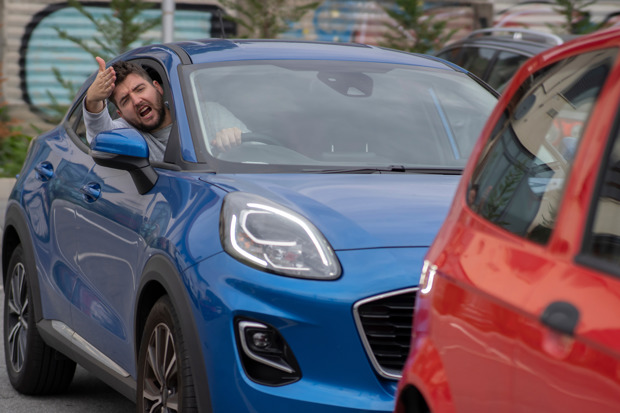
As the UK readies itself for another heatwave the blend of hot uncomfortable nights and dehydration is a recipe for added rage on the roads warns the AA.
It says that drivers who have slept badly, feel irritable or are facing delays in heavy traffic in the heat are likely to react slowly and be less able to manage their behaviour behind the wheel. It is urging drivers to remain cautious on their commutes or school runs.
Drinking and driving
It's not just anecdotal evidence that the AA is referencing. Its own driver-training arm, DriveTech, uses examples from medical journals which found that dehydrated drivers can be more fatigued, less focused and have impaired short-term memory.
In fact, the paper noted a severely dehydrated driver is likely to make as many mistakes behind the wheel as someone under the influence of drugs or alcohol.
The AA recommends taking more time or avoiding driving altogether if you're feeling the worst of the high temperatures while ensuring that you keep water handy in the car.
Rising temperatures risk road rage
In addition to impaired driving skills, the heat can turn up the temperature on temperaments, adding extra frustration, causing drivers to tailgate, brake aggressively and overreact to other road users.
"Hot weather, heavy traffic and tired drivers are not a good mix," says Edmund King, AA president. "If people have struggled to sleep in the heat, they may be less patient, less focused and more likely to make mistakes on the morning commute.
"Road rage can escalate quickly, especially when people are uncomfortable and rushing. Stay calm, avoid reacting to other drivers, keep a safe distance and remember that everyone else is dealing with the same heat."
Breakdowns up 20%
It's not just drivers who are feeling the heat, with the RAC reporting responding to a fifth more breakdowns than normal for the time of year.
Top faults included tyres – with blowouts more common in the heat as pressure in the rubber builds – batteries and overheated engines, with London and the South East the worst affected areas.
