
No more manuals? Automatic driving tests double in five years – despite it costing more

Wed, 27 May 2026
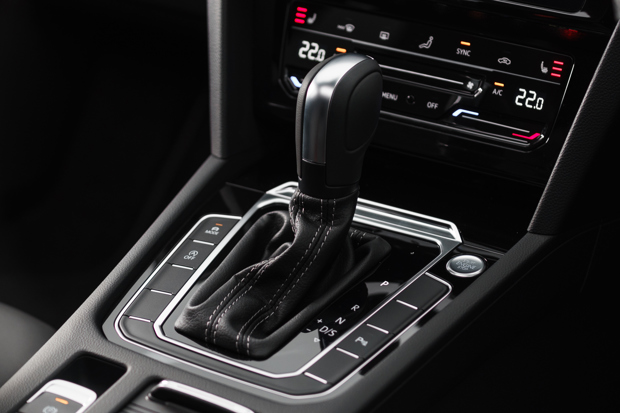
The days of the manual gearbox look to be numbered. Research from USwitch indicates that the next generation of drivers is focused on an automatic future. But is that a choice that comes at a cost?
UK government figures show that the number of automatic only driving tests has more than doubled in the past five years.
However, looking at USwitch's data from a survey of 500 learners, the prime motivation for choosing an automatic car isn't readiness for electric motoring – just 22% said that was the case.
Instead, it's that most respondents (41%) presumed it would simply be easier to pass than in a manual, while 37% thought they would learn quicker.
Automatic regret
The reality has often proved different, however, with the driving test pass rate in 2025 being 10% lower for those in automatics than doing the full manual test.
What's more, an analysis of 1334 instructors from GetDriving.co.uk showed that an automatic driving lesson costs on average £5.05 more than a manual, adding around £225 to the cost of learning to drive, based on government estimates of the average length of time it takes to learn.
The costs continue to mount once a licence is obtained as USwitch points out that automatics are pricier to insure – from November 2025 to April 2026, quotes for automatic vehicles were on average 17% more expensive than manual ones.
Interestingly, almost one in five (19%) of survey respondents said they generally regret learning to drive in an automatic. Over a third (35%) also said they would consider learning to drive a manual car in future, while a quarter (25%) have already done so since passing their automatic test.
Death of diesels also on the cards
Despite the cost, consumer demand for automatics continues to climb. Vehicle Data Global (VDG), which provides tech and sales insights to the car industry, says that manual gearbox share of new cars sold in the UK has fallen from 55% in 2019 to 34% in 2025, and stands at just under 14% this year.
VDG also notes that diesel car sales are down 92% since 2016, and predicts that both the diesel engine and the manual gearbox could no longer be a consumer choice by 2030.
"The moment is fast approaching when the economics of maintaining a manual transmission option don't add up," says Ben Hermer, Operations Director of VDG.
"Manufacturers will be looking hard at whether maintaining manual gearbox programmes for a shrinking share of the market makes economic sense, while they manage the overall pressures of conversion from ICE and competing with international market entrants in the EV sector."
