
Record-breaking pothole damage costs the average driver £140

Wed, 27 May 2026
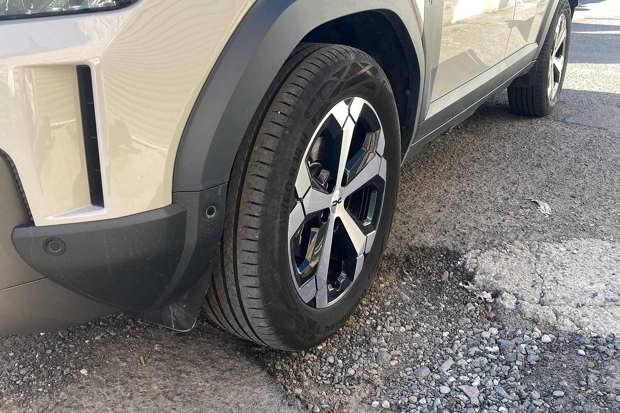
New figures show that potholes are costing the average motorist almost £140 in repair bills as broken roads cause damage to wheels, suspension and tyres.
The numbers are provided by Kwik Fit as part of its annual Pothole Impact Tracker (PIT) report, which it began publishing in 2013.
Big holes, big bills
Over the past 12 months, Kwik Fit estimates that no fewer than 12.8 million drivers have suffered damage to their cars from potholes, costing a staggering £1.8bn in total.
That is the highest since the report began, beating the previous record of £1.7bn set in 2022.
Tyres were most frequently damaged, in 56% of cases, while wheels (32%) and suspension components (24%) also took a beating.
More than five million drivers said they damaged their car after hitting a pothole they thought was just a puddle, while one in eight drivers (12%) added that pothole damage has was so severe that their car had to be recovered by a breakdown vehicle.
Change of wheels
Kwik Fit questioned drivers on their perceptions of their local roads. A hefty 62% of respondents said that the roads in their area appear to be in a worse condition than twelve months ago, with 37% saying they are significantly worse.
London drivers are the most positive, with 37% of motorists agreeing that the roads are in worse shape, while 30% say they are better. At the other end of the spectrum, 80% of drivers in the East Midlands say their roads are worse, with just 10% feeling they are better than this time a year ago.
The condition of the roads has also influence buying decisions. Kwik Fit’s research found that 2.5 million drivers had opted to buy a bigger car or SUV because of the state of the roads, with a further five percent saying they'd switched to more robust wheels or tyres to better deal with pothole impacts.
"Our annual PIT report shows that the situation is the worst it has been since we started monitoring the cost of damage," says Dan Joyce, operations director at Kwik Fit.
"The fact that many drivers are changing their decisions on which type of car to buy based on their local road surface shows how important this issue is."
