
Testing times for older drivers: 60% of drivers call for mandatory driving tests at 70

Fri, 17 Apr 2026
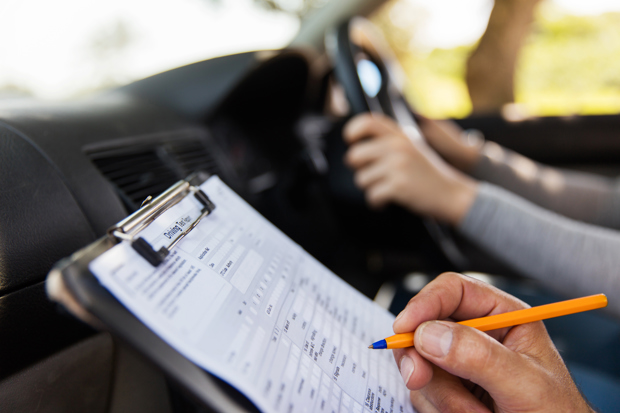
If you're over 70 years old, six in 10 motorists think you should be required to retake your driving test due to concerns around slower reaction times, sight issues and cognitive decline.
The research by Uswitch, comes as the government weighs up major changes to road safety legislation for those aged 70 and over. While current rules only require a self-declaration of fitness every three years, the public mood is shifting toward a much stricter approach.
The call for retesting is overwhelmingly driven by the younger generation. Nearly 90% of those aged 25 to 34 want senior drivers back under the examiner’s gaze. Predictably, older drivers are less convinced, with only 31% of those aged 65+ agreeing that a retest is necessary.
For those in favour of the change, the consensus is that the first checkpoint should occur between 70 and 74 years old.
It’s not just a matter of ageism, drivers have cited specific physical and cognitive fears as the primary reason for their support:
- Slower reaction times: 74%
- Sight issues: 72%
- Cognitive decline: 67%
- Updated road rules: 45% (A concern for anyone who hasn't looked at a Highway Code since the 1970s)
One area with almost universal support is vision. Over four in five (83%) motorists back the Government’s proposal to introduce mandatory eyesight tests at age 70 and at every subsequent licence renewal.
Overwhelmed by modern tech?
Perhaps most tellingly, the study found that modern cars themselves are becoming a barrier. 70% of drivers over 60 feel today's cars have too many confusing tech features, with over a third admitting they aren't confident using them.
This tech-stress is so significant that 19% of older buyers would actively seek out an older used car just to avoid touchscreens and complex assistance systems, while nearly one in 10 would give up on buying a new car altogether.
While the stats look damning, older drivers are often statistically safer than their younger counterparts due to decades of experience and a lack of boy racer tendencies. However, as cars become computers on wheels and road layouts become more complex, the self-declaration system is coming under intense scrutiny.
Leoni Moninska, insurance expert at Uswitch, suggests that staying safe isn't just about the test. "Regular eye checks, choosing a car with intuitive controls rather than complex screens and perhaps a voluntary 'refresher' lesson can help keep seniors independent for longer."
