
77% of UK drivers call for new "graduated" licences for young drivers

Wed, 15 Apr 2026
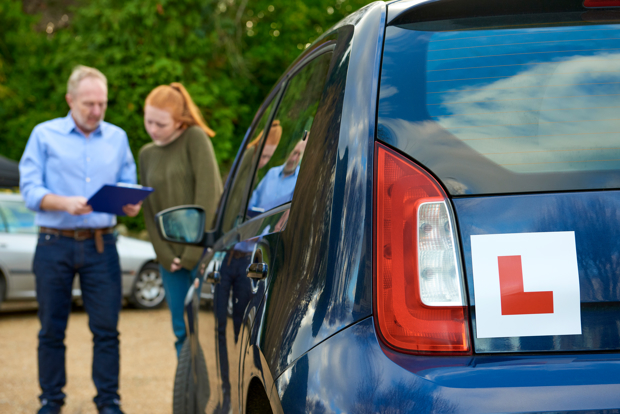
With one in five serious crashes still involving drivers aged 17 to 24, a massive 77% of the public is now demanding an end to the "pass your test and hope for the best" culture.
A bombshell report released by road safety charity Brake reveals that the vast majority of motorists support a stronger, Graduated Driver Licensing (GDL) system specifically designed to stop newly qualified drivers from becoming another statistic.
The reality is grim. According to Brake, 35% of us have either been in a collision with a young driver or know someone who has. Among the 18–24 age group itself, that figure leaps to more than half.
Brake's Young Driver Safety report, sought the opinions of 3000 UK motorists and 70% say there should be a minimum learning period, for example of six months, before taking a driving test.
73% also agree that it’s okay for young, newly qualified drivers to have to wait a few months before being permitted to carry peer-age passengers, while 88% think new drivers should not be allowed to drink any alcohol when driving for the first six months after passing their test.
The statistics remain sobering. In 2024, 20% of all road deaths and serious injuries in Britain involved a driver aged 17 to 24, totalling 4740 people every year. Crucially, half of those killed in these incidents are other road users, including pedestrians and cyclists
What would a stronger system look like?
Experts say the proposed Graduated Driver Licensing (GDL) isn't about banning young people from the road, but introducing them to high-risk situations in stages. Public support for specific measures is surprisingly high:
- Zero tolerance on alcohol: 88% back a total ban on any alcohol for new drivers in their first six months.
- Night-time restrictions: 74% agree that new drivers should wait a few months before driving unsupervised late at night.
- Passenger limits: 61% support a law change to stop young people carrying passengers under 25 for the first six months.
- Minimum learning period: 70% want a mandatory minimum learning period (e.g, six months) before a learner can even sit their test.
Calling on the government to take action
"We have campaigned for many years for a stronger driver licensing system, with provisions aimed at equipping young and newly qualified drivers with the skills and knowledge they need to safely take to the roads and gain their independence," says Ross Moorlock, Brake’s CEO.
“Our new report really highlights that public opinion is on our side. It’s time for the government to listen, step up and take firm action to tackle the unacceptable level of death and injury on our roads. It’s time for change.”
Brake also called for those who support its campaign to submit a response to the Department for Transport’s open consultations on introducing a minimum learning period for learner drivers and proposed changes to penalties for motoring offences, which are open until 11.59pm on Monday 11 May.
