
UK government weighs 10mph speed limit cut to combat oil crisis

Thu, 26 Mar 2026
Lowering speed limits to cut fuel consumption is reportedly under consideration by the UK government due to the Middle East crisis threatening oil supplies.
The Guardian reports officials in the Department for Transport have been working with the Department for Energy Security and Net Zero on measures to curb oil demand.
It follows a 10-point plan from the International Energy Agency, the global energy watchdog, on actions to reduce oil demand.
One of these was ‘reducing highway speed limits’, which could translate into at least a 10mph cut in the UK.
This would “reduce fuel use for passenger cars, vans and trucks”.
It also advised citizens to consider car sharing and adopt more efficient driving practices to quickly lower fuel consumption.
UK speed limits were last cut due to an oil crisis back in the 1970s. In 1973, when OPEC countries restricted oil supplies to the west, the UK and US introduced a maximum national speed limit of 50mph.
The 50mph limit remained in force until May 1974 — before more maximum speed restrictions were again introduced from December 1974 through to May 1977.
The IEA acknowledged that cutting speed limits is a measure that’s been implemented in the past “and is again being considered in several countries”.
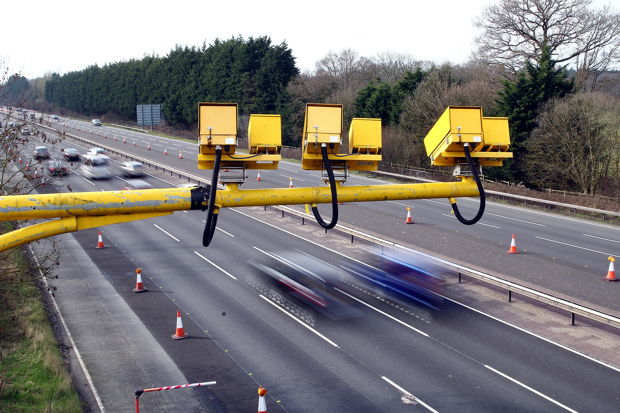
The Guardian speculated that the high coverage of traffic cameras across the UK road network provides the technical capability to enforce reduced speed limits.
“Slowing down road traffic by up to 10mph would be easily implemented on motorways, where signage is also adjusted electronically on major routes.”
However, such a move would “prove politically contentious, with the Labour leadership nationally having been at pains to distance itself from London’s ULEZ ultra-low emission zone”.
Current advice remains for motorists to fill up as normal and assume the UK still has ample fuel supplies. “People should not change their fuelling habits,” says AA head of roads policy Jack Cousens.
“Nevertheless, advice to drive as efficienctly as possible is something that drivers could adopt at all times to save both fuel and money.
“Reducing speed and braking less harshly are beneficial. Similarly, linking journeys together contributes to saving fuel.”
National Highways declined to comment.
