
Smart motorways a ‘catastrophic’ waste of money and life, warns AA

Fri, 13 Feb 2026
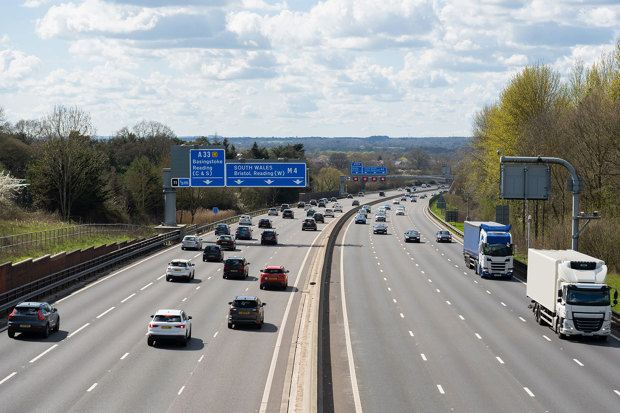
Smart motorways have been a "catastrophic" waste of money, says the president of the AA, with many schemes either losing money or barely breaking even.
New research by the motoring organisation has also revealed many are actually creating jams rather than easing them, with others boasting a worse safety record than a regular motorway.
The findings follow AA analysis of 16 so-called ‘Post Opening Project Evaluation reports of major smart motorway schemes. The government recently released them without fanfare–but the AA immediately began scrutinising them.
The reports show the M25 All Lane Running section between junctions 23-27—and the M6 Dynamic Hard Shoulder between junctions 5-8—are both losing money and have been rated "very poor" by National Highways.
A further six schemes are rated “not on track – poor" or “not on track – low" when it comes to providing value for money. Just three of the 16 schemes are “on track”.
Meanwhile, the safety record has worsened on two schemes, the M3 All Lane Running between junctions 2-4a and M1 All Lane Running between junctions 29-42.
Overall, only one scheme, the M25 Controlled Motorway between junctions 16-23, has exceeded expectations, with faster journey times and a better safety record.
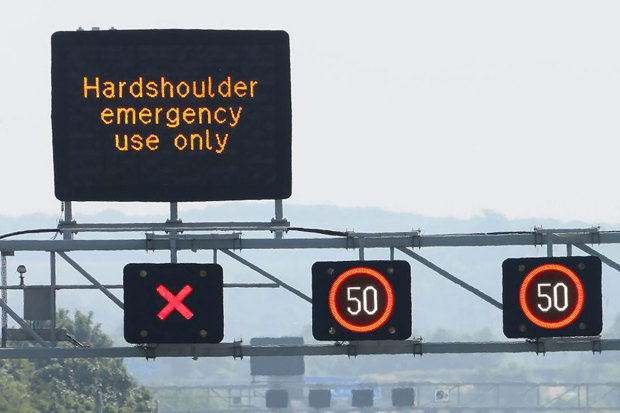
There are three types of smart motorway, explained the motoring organisation.
- Controlled Motorways – hard shoulder is retained, with added safety tech and gantries
- Dynamic Hard Shoulders – hard shoulder can be used as a running lane when high congestion is high
- All Lane Running – hard shoulder is permanently converted into a running lane, with emergency areas spaced 0.75 miles apart
"After a lengthy wait, these reports finally see the light of day," says AA president Edmund King, adding that their release, without any announcement, feels like an attempt to bury bad news.
Dammingly, he said they show smart motorways have been a catastrophic waste of time, money and effort.
"Many of the schemes have slower journeys, which causes traffic jams, loses the country cash and [has] worsened the safety record of motorways."
The most successful schemes are ones where motorways have been widened but the hard shoulder retained, with extra safety technology added. "We have been calling for this standard for so long and urge any government that looks to improve motorways to use this style as a blueprint.
"While no new ‘smart’ motorways will be built, driver confidence using these schemes remains low. Just under half of drivers feel anxious or nervous using them, a sentiment which has doubled in the last 12 months.
"We need the return of the hard shoulder to help give confidence to drivers, both now and in the future."
