
New curfews for young drivers? Calls for UK to adopt Northern Ireland’s licensing rules

Wed, 04 Feb 2026
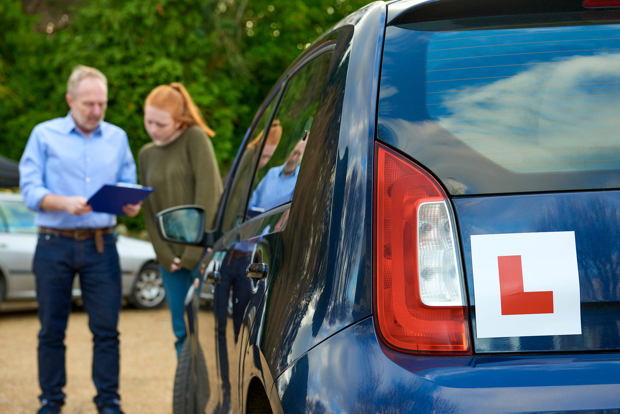
There are calls for a new graduated licensing scheme, due to be launched in Northern Ireland later this year, to be expanded to the whole of the UK.
From 1 October 2026, new drivers and motorcyclists in Northern Ireland will earn driving privileges in stages through a new Graduated Driver Licensing (GDL) scheme.
There have already been calls for special powers to be granted to the Scottish government to introduce graduated driver licences, following an earlier pledge by the UK government not to introduce them.
Ross Moorlock, CEO of road safety charity Brake, is also urging the government to change its mind, particularly following recent news that young drivers are linked to disproportionally more serious casualties than older drivers.
Northern Ireland’s Graduated Driver Licensing system will see a revised training, testing and post-test framework introduced.
There will be a minimum learning period of six months, enhanced training and minimum periods of post-test driving experience before young, newly-qualified drivers can carry similar-aged passengers or drive at night.
They'll be required to display 'R' plates, which identify new drivers, for 24 months instead of the current 12-month period.
"The fundamental goal of learning to drive, and the licensing process, should be to create drivers and motorcyclists who are safe, and not just technically competent, by the time they are permitted to drive or ride unsupervised," says Northern Ireland infrastructure minister Liz Kimmins.
"The introduction of GDL plans to achieve this through a structure approach to learning to drive, including the completion of a ‘Programme of Training’ recorded in a Logbook."
Kimmins says this will better prepare drivers for both the driving test and initial post-test driving period by helping learners understand how human factors, such as their attitude, personality, behaviour and feelings, affect their driving style.
Brake has long campaigned for stronger licensing, given how the risk of collisions disproportionately involves younger drivers.
"Northern Ireland’s GDL demonstrates a real commitment to putting the safety of all road users first and protecting young, inexperienced drivers," says Moorlock.
"What we must now see is a similar commitment in Britain. The recently-published Road Safety Strategy included consultations on elements of progressive licensing, which is a step in the right direction.
"However, we again urge the government to follow this period of consultation with firm, evidence-based action to achieve its goal of reducing road deaths by 65% by 2035."
Critics of the Northern Ireland scheme often point to the 45mph speed limit on "R" plates as a major hazard, arguing it causes frustration and dangerous overtakes from other road users on dual carriageways.
However, safety charities like Brake argue that the "staged" approach is the only way to reach the UK's goal of reducing road deaths by 65% by 2035.
