
Road rage epidemic: Why men are twice as likely to lose their cool

Tue, 17 Feb 2026
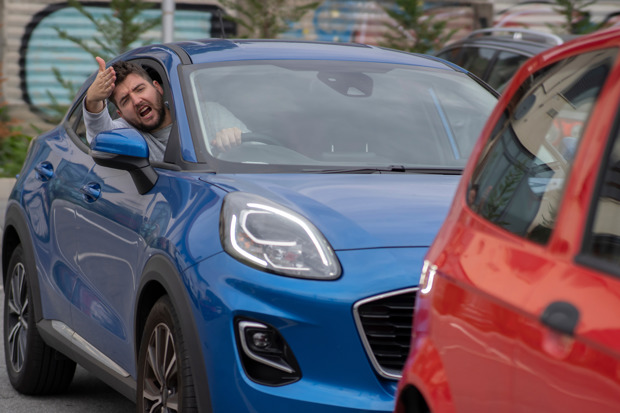
Road rage is now worryingly commonplace in the UK, with nearly 1 in 2 drivers admitting to experiencing it — and 1 in 6 revealing it happens often.
What’s more, men are twice as likely as women to experience road rage frequently, with drivers aged 35-44 most likely to exhibit regular road rage.
Road safety tech brand Ooono, which carried out the survey, is now urging drivers to consider giving up road rage for Lent as it is “now the norm rather than the exception on Britain’s roads”.
It says the high emotional toll of both driving itself and modern life in general is driving the rise in road rage — 4 in 10 drivers feel stressed, anxious or emotionally overwhelmed at least several times a week.
Alarmingly, 12% admit they feel like this every single time they drive.
The most common road rage trigger is a lack of sleep, followed by work pressure, cost of living financial pressure, family and relationship pressure, or health concerns.
Indeed, while traffic is widely blamed for aggressive driving, the Ooono research suggests it is not the primary cause.
“By the time people get into the car, they’re often already carrying stress from work, family or financial worries,” says Ooono COO Sean Morris.
“The road is where that pressure comes out — and unfortunately, it’s coming out as anger.”
The research showed older drivers are more chilled on the roads, with only 6% of those aged 45-54 reporting regular road rage incidents. Just 4% of drivers aged 65-74 say they regularly suffer road rage.
Meanwhile, a mere 9% of women regularly experience road rage, compared to more than 1 in 5 men.
“Giving up anger on the road, even for just 40 days, could make journeys safer, calmer and healthier for everyone,” says Morris.
He added that 1 in 4 drivers say they have never experienced road rage, which “proves calmer driving is achievable”.
