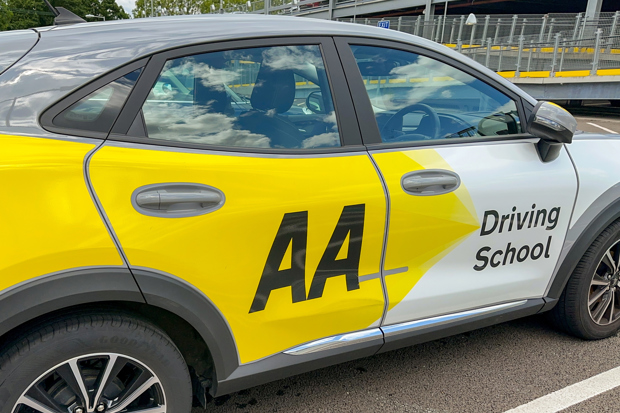
Learning to drive will cost £2600 in 2026
The cost of learning to drive is continuing to rise with the bill for learner drivers set to hit nearly £2600 in 2026.
It means costs will have jumped 30% over the past five years, mainly due to the price of driving lessons that have gone up 37% since 2020.
At this rate, reckon experts at National Scrap Car, the projected cost of learning to drive could hit almost £4300 by 2035.
By 2045, it could top £7500.
Theory test and driving test prices have remained static since 2020, at £46 and £62 respectively. But the price of 45 hours of driving lessons has gone up by nearly £500 in five years.
National Scrap Car says the hourly driving lesson rate was £28 in 2020, but has now risen to £39. In the next five years, it’s set to increase again, to £53 an hour – and, in the next 20 years, driving lessons could cost more than £137 an hour.
Learner driver insurance has become more expensive too, as has the price of fuel, all adding to the cost of learning to drive.
"The reality is that learning to drive is becoming unaffordable to many budding drivers," says National Scrap Car's Dorry Potter.
"While the cost of provisional licences and practical and theory tests has remained stagnant for years, the cost of learning to drive has nonetheless skyrocketed to over £570. That’s more than 30% in the last five years.”
It’s not even as if learner drivers are being fast-tracked onto the road, either. The system is bottlenecked, with recent figures showing that learners are waiting an average of almost 22 weeks for their practical tests.
"Despite recent efforts from the government to address the test backlog, transport secretary Heidi Alexander has said that the target to get wait times down to seven weeks by summer 2026 won’t be met," adds Potter.
With the cost of learning to drive forecast to keep on increasing, this will “undoubtedly create a significant barrier to opportunity for the next generation of drivers”.
Ask HJ
What's the best way to insure a learner driver?

My partner is learning to drive and wanted a second-hand car to learn in. She is currently retraining and has no income, therefore I have paid for the car (a Kia Picanto). I drive a Skoda and have insurance that only covers myself on just this car (not insurance to drive any car). What is the best way to insure both of us on the Kia? Should I add the Kia to my insurance and then add learners' insurance to my policy? Or should I take out a separate policy for the Kia for myself and add learners' insurance?
There are a few options you could explore to see what is best for you and your partner, and what could be most cost effective. Your partner could take out their own provisional policy on the Kia, which will cover them for 12 months while they learn. They’ll then need to contact the insurer once they pass to update the policy. You can then be added as a named driver, as you will need to have cover in place for this vehicle too in case you need to take over while out with the learner. This can often be the cheapest option and can help to build their NCB while they learn.
Alternatively, you could add the Kia to your policy under a multi-car policy, or take out a separate policy. In this case, your partner would need to either be added as a named driver. However, this should only be done if you are the main driver of that car. If the car is mostly used for your partner to learn in, then it could be considered as fronting, as the policy holder is not the main driver of the car. It’s also worth noting that if they are a named driver, any claims they make will affect your NCB.
Another option is for them to take out a separate learner driver policy alongside your policy. This provides shorter term cover, and acts as a standalone policy, so won’t affect your NCB. Depending on how long the cover is needed for, this could work out more expensive.
There is more information on options for learner drivers, including how much each policy option could cost here: https://www.confused.com/car-insurance/learner
Answered by Rhydian Jones
More Questions