
Drink drive limit to be slashed as part of new road safety plans

Wed, 07 Jan 2026
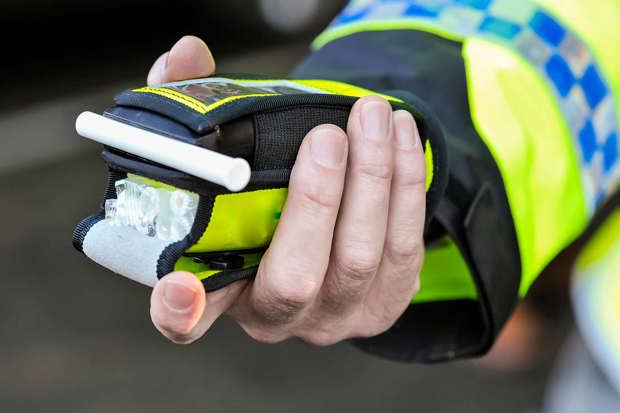
The drink drive limit in England, Wales and NI is set to be cut as part of the government's new road safety strategy.
The current limit of 35 micrograms of alcohol per 100ml of breath has not changed since 1967 and is currently the highest drink drive limit in Europe.
It's part of plans to cut deaths and serious injuries on Britain’s roads by 65% by 2035. The new road safety strategy is the first in more than a decade.
The aim is to save thousands of lives by tackling drink driving, improving training for younger drivers, investigating headlight glare and introducing mandatory eye tests for older motorists – something that has already outraged over-70s drivers after news of the road safety shakeup was mooted last year.
There will also be a review on a minimum learning period for learner drivers, with predictions it could be six months.
The consultation will include looking at the use of preventative technology, including alcohol interlock devices for drink-drive offenders and new powers to suspend driving licences for those suspected of drink or drug driving offences.
New measures will target the growing problem of illegal number plates, including ‘ghost’ plates designed to fool ANPR cameras. The government also aims to crack down on uninsured drivers and vehicles without an MoT.
The strategy will consult on reforms to motorcycle training, testing and licensing too while supporting trials to improve motorcycle safety on rural roads.
"Every life lost on our roads is a tragedy that devastates families and communities," says secretary of state for transport Heidi Alexander. "For too long, progress on road safety has stalled.
"We are taking decisive action to make our roads safer for everyone… the measures we are announcing today will save thousands of lives over the coming decade."
Interestingly, the strategy mandates 18 new vehicle safety technologies, including autonomous emergency braking and lane-keeping assistance. This obliges manufacturers to meet the same requirements in Europe, which already has its own ‘GSR2’ safety regulations.
Most car brands automatically apply this to UK cars, due to production efficiencies. The new road safety strategy now obliges them to – despite 4 in 10 drivers finding them annoying.
Safety campaigners have reacted positively to the new road safety strategy.
"After what can be described as a lost decade in terms of reducing the number of killed and seriously injured on the roads, we welcome the government’s commitment to ambitious targets and robust policies to make our roads safer," says IAM RoadSmart’s Nicholas Lyes.
"We’ve long said the dial needs to be turned up when it comes to reducing road casualties,” says the RAC’s Rod Dennis, "so we warmly welcome this strategy, especially the reintroduction of casualty reduction targets that were scrapped 16 years ago. The simple truth is that this strategy can’t come soon enough."
The government plans to introduce a new Road Safety Board, chaired by the minister for local transport, while a new Road Safety Investigation Branch will analyse collision patterns to inform prevention strategies.
"This is a positively radical reframing of road safety, which is long overdue," says AA president Edmund King. "We commend the government for its wide-ranging and ambitious strategy and ambitious targets, which we hope will save the lives of thousands of people."
Over the past decade, adds the government, 22 European countries have made more progress than the UK in reducing road fatalities. This has led to Britain slipping from third to fourth in European road safety rankings.
