Revealed: the UK's most misunderstood road lines

Tue, 02 Dec 2025
Many drivers admit they are baffled by Britain’s road markings, with National Highways reporting that "confusing markings" are among the road issues currently under investigation.
Issues arise because drivers rely on what they remember from passing their driving test – but hazy memories aren’t always accurate.
"Road lines are far more nuanced than most people realise," says Ben Welham from car dealer Marshall Motor Group.
"These misunderstandings risk penalties for drivers, prevent traffic from flowing properly and can cause potentially dangerous situations for other road users and pedestrians."
To help drivers refresh their skills. Welham has myth-busted five of the country’s most confusing road markings.
Myth 1: "Double yellow lines always mean no stopping"
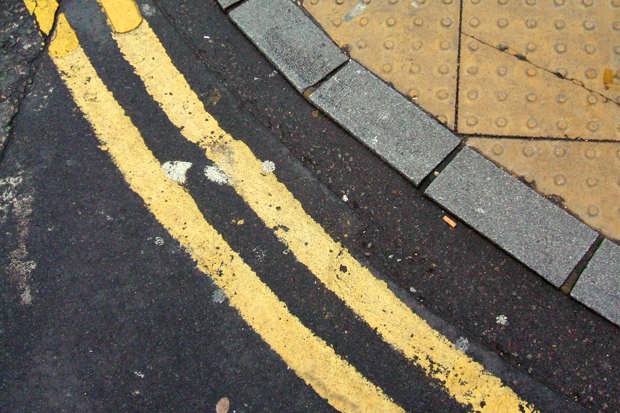
Double yellow lines mean no waiting or parking is allowed at any time. However, drivers are technically allowed to stop briefly to drop off or pick up passengers.
It’s double red lines that mean no stopping at any time, not even for loading or unloading.
Myth 2: "Zig-zag lines only mean no parking"
Zig-zag lines of any colour mean no stopping whatsoever, not just no parking. "Even dropping children at school in zig-zag areas isn’t allowed," explains Welham.
The markings exist to ensure there is clear visibility for pedestrians and drivers, and misinterpreting them can result in a £100 fine and three points on your licence.
Myth 3: "All bus lanes operate 24 hours a day"
We often see motorists studiously avoiding bus lanes at all times, but some actually have time-specific restrictions, such as buses and motorcycles only between 7am and 7pm.
What’s more, while solid white lines marking bus lanes shouldn’t be crossed, a broken white line indicates where drivers are allowed to cross it – such as, for example, making a left turn.
Myth 4: "Kerb blips have the same restrictions as yellow lines"
Kerb blips – small single yellow lines painted at right angles to the road over the lip of the kerb - denote loading and unloading restrictions at specific times. Double yellow kerb lines mean no loading at any time - but drivers can stop near them to drop off and pick up passengers.
"These kerb blips are often confused with standard yellow line parking restrictions, but they relate specifically to commercial loading activities," says Welham.
Myth 5: "You can never cross a solid white line"
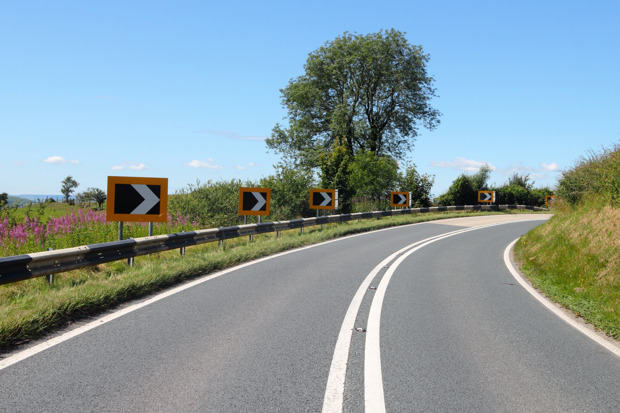
Motorists often misunderstand double white lines running down the centre of roads. If the line closest to you is broken, you can cross it to overtake another vehicle, provided you can complete the manoeuvre before the line becomes solid on your side of the road again.
When the line nearest to you is solid, it can only be straddled or crossed to turn off the road or overtake a vehicle that's either stopped or going under 10mph.