Londoners more likely to crash on rural roads

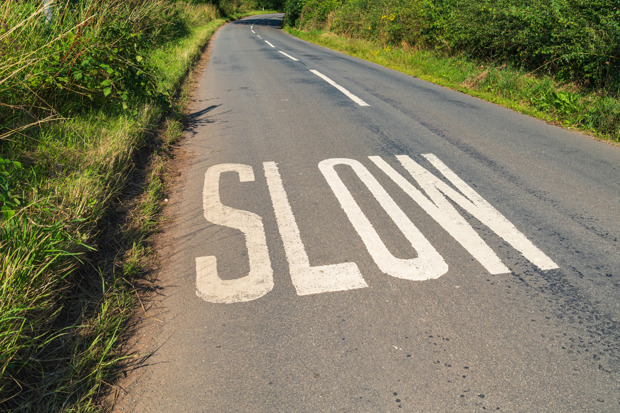
Londoners are more likely to be involved in a collision on rural roads, new research has found, which some are putting down to overconfidence when driving in the countryside.

Nearly 4 in 10 Londoners have been in a crash on a country road, found the survey by NFU Mutual, compared to 23% of the general population.

Just 13% of those from Yorkshire & the Humber and 15% from the West Midlands, had been involved in a rural collision.

Londoners were also more likely to say they felt ready to drive on rural roads straight after passing their driving test.

The NFU Mutual research found that rural roads are significantly more deadly, when taking into account the miles travelled.

There were 6.3 deaths per billion miles travelled on a country road in 2024, compared to 4.7 on urban roads, and 1.3 on motorways.

"The figures shock and worry me," NFU Mutual chief executive Nick Turner told the Sunday Times. He wants to see more rural road training for learner drivers and a rural road safety awareness course for drivers who offend on rural roads.

The government’s upcoming national road safety strategy should "address this avoidable loss of life in our countryside.

"It’s not acceptable that Britain continues to lose around 1000 people each year to rural road fatalities, and more needs to be done.

"The unique hazards found on rural roads – from blind corners and junctions, to inappropriate speed limits, to navigating vulnerable road users and agricultural vehicles – mean that using countryside roads is fundamentally different to travelling on urban roads or motorways."

The survey found that almost a third of respondents had rarely or never driven on rural roads while learning to drive – and four in five would support more training and testing for driving on country roads.

DfT figures show rural A-roads are by far the most dangerous type of road in the UK, with 634 fatalities in 2024. Motorways were the safest, with 91 fatalities in the same year.

Ask HJ

I've been sent an NIP for speeding but the speed limit sign was obscured - can I appeal?

I have received a Notice of Intended Prosecution - I was travelling at 35mph in a 30 limit, this in a rural area without street lighting. The 30mph repeater sign was partially obscured by a hedgerow. The distance between the 30mph repeater sign and the next, which was a 40mph, was some 500+ yards. The police van was positioned just before the 40mph repeater sign. Is there a minimum/maximum legal requirement for distance between repeater signs? Should repeater signs be maintained so they remain unobstructed or unobscured? Do I have grounds to appeal the speeding prosecution, given the details outlined?
The regulations for road signs are long and detailed, which makes it a challenge for the general public to scrutinise them with any accuracy. As far as we can determine there are no regulations dictating the distance between repeater signs. However, it is a requirement that road signs are visible and are not obscured by foliage. We have seen reports of speeding cases thrown out because the driver was able to provide photographic evidence that the signs were obscured by overgrown hedges. We would suggest returning to the site and taking photographs of the sign as soon as possible. A useful piece of advice given to us by another reader is have a newspaper headline in the side of any picture. This shows the issue existed at that date and helps if it is fixed and they try and claim it was never an issue. Given the speed you were travelling was only slightly over the limit there is a good chance you will be offered a speed awareness course. This usually costs around £100 but does not need to be declared to your insurers and means no endorsements on your driving licence. If you decide to take this to court you will lose the option of a speed awareness course, and if your case is unsuccessful it will likely mean three penalty points and a fine, so ultimately you will have to make a choice on this basis.
Answered by David Ross
More Questions