
EU rows back on 2035 zero emissions targets

Fri, 19 Dec 2025
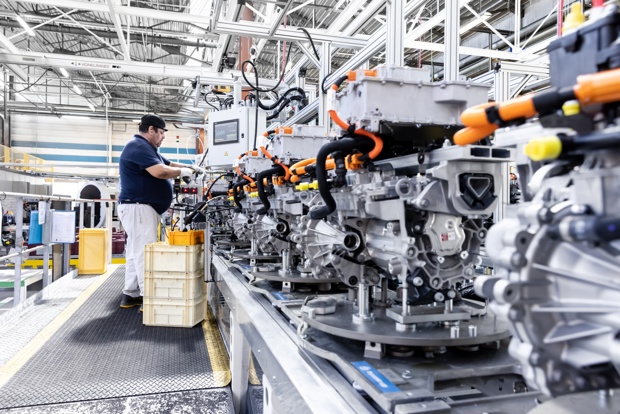
The EU has proposed allowing hybrid cars remaining on sale beyond the planned 2035 deadline for 100% zero-emission vehicles, relaxing the targets for manufacturers.
The latest European Commission Automotive Package, revealed on 16 December 2025, is a result of market analysis, progress and feedback from manufacturers and governments including data from the UK's ZEV Mandate consultation in early 2025.
As anticipated, the package highlights slower than expected progress towards the target of 100% reduction in tailpipe emissions by 2035 and proposes revisions that would allow manufacturers to continue offering a small number of fossil-fuel vehicles.
The revised target of 90% reduction in fleet tailpipe CO2 emissions by 2035 is an obvious backtracking on the deadline imposed previously, but manufacturers gain more in the small print and adjustment of targets during the transition period.
Combating Chinese imports
First among the revisions is a new 'super-credit' for small, affordable zero-emission vehicles made within the EU. These are the transferable credits that manufacturers can use to offset failure to meet CO2 targets elsewhere in the range, or the number of ZEVs (zero emission vehicles) registered in a given year.
The made in the European Union part of the proposal is clearly aimed at slowing the influx of cheap EVs from China, though some are either branded by, or distributed by, existing EU manufacturers.
A new initiative for 'small affordable cars' covers electric vehicles below 4.2 metres in length, making it easier for taxation and other incentives for governments promote these vehicles.
Banking and borrowing credits will be extended to 2030-2032, making sales of these small EVs particularly beneficial to European brands
Commercial vehicles and vans after 2030
One of the hardest goals to achieve is decarbonisation of commercial vehicles. Strict targets for lower emission vans and greater numbers of zero-emission vehicles in the commercial sector have not been met. As a result the target for reduced fleet tailpipe emissions in 2030 will be adjusted from 50% to 40%.
A package of incentives and reliefs for battery production in Europe will also boost development, including €1.5bn in interest-free loans for battery cell production.
How does this affect the UK?
EU regulations do not directly impact the UK, but type approval and emissions targets are harmonised and UK factories and supply chains will potentially benefit from the additional time for new technologies to be developed.
It's almost certain that when EU member states vote on the proposals they will pass - and the UK's legislation will follow suit or even adjust the allowances further in the knowledge that manufacturers will be producing hybrid and combustion-powered vehicles for longer.
