
MoT test changes 2026: what you need to know
| Author: Richard Aucock | Last updated: 18th February 2026 |
2026 MoT changes: Quick links:
- 💰 How much does an MoT cost in 2026?
- ⚡ Electric car MoTs: What’s different?
- 🚫 Stricter rules for banned testers
- 📸 New "Ghost MoT" photo rules
- ⚖️ New rules for heavier cars (April 2026)
- 📅 When is my first MoT due?
- ❓ MoT 2026: Frequently Asked Questions
- 📋 HonestJohn's Pre-MoT checklist
The MoT test is changing all the time, with ongoing government tweaks to make things safer for motorists and more structured for garages.
2026 is no exception, with a key change now live that aims to clamp down on dodgy MoT testers by making sure they can play no part in test proceedings.
MoT 2026 at a glance
-
Maximum cost: £54.85 (frozen for 2026)
- First test due: 3 years after registration
-
Major change: Mandatory photo evidence for "ghost MoT" crackdown
-
EV checks: New visual inspections for high-voltage orange cables
How much does an MoT cost in 2026?
Refreshingly, the MoT test fee hasn’t changed for 2026. The government has capped it at a maximum of £54.85 for a standard car (officially known as ‘Class 4’ vehicles), and a maximum of £29.65 for motorcycles.
Garages can charge less than this, but they cannot charge more.
- The price cap: The maximum a garage can legally charge for a standard car (Class 4) remains £54.85.
- Motorcycles: The cap for a standard bike (Class 1 or 2) is held at £29.65.
- Shop around: Remember, these are maximum prices. Many garages offer MoTs for between £35 and £45 to win your business, though they often hope to recoup the difference on any repair work needed...
Electric car MoTs: what's different?
While electric vehicles (EVs) skip the exhaust and emissions part of the test, they are subject to specific safety checks that are becoming more rigorous as the UK fleet ages.
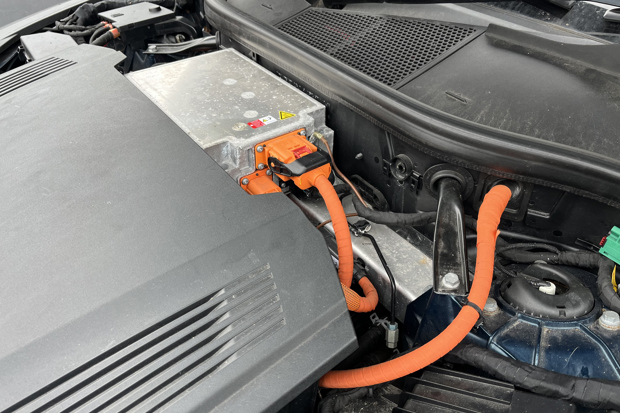
- High-voltage safety: Testers must now carry out a detailed visual inspection of high-voltage cables (usually identified by their bright orange casing), the charging port and the traction battery itself.
- Battery security: With EVs being significantly heavier than petrol cars, the battery mountings are now a key focus. Testers check for any signs of damage, leaks, or corrosion to the battery housing that could compromise the car’s structure or safety.
- The "orange cable" warning: The DVSA has issued strict safety reminders to testers regarding the risk of fatal shocks. If a high-voltage component is visibly damaged or the orange insulation is frayed, it will result in an immediate Major Fail.
Can a banned MoT tester still work on my car?
As of 9 January 2026, the DVSA has closed a major loophole. Previously, a tester hit with a "cessation" (a ban) could sometimes still work behind the scenes in a garage.
- The change: Anyone serving a two- or five-year ban is now completely barred from any MoT-related role.
- Why it matters: This ensures that "rogue" testers cannot influence the results of your test from the sidelines, improving the integrity of the certificate.
HonestJohn’s Pre-MoT Checklist
Before you book your £54.85 test, spend 10 minutes checking these "easy fails" to save yourself a retest fee:
- Screenwash: It sounds silly, but an empty bottle is an immediate fail. Top it up.
- The warning light rule: If your dashboard is lit up like a Christmas tree (especially the ABS or Airbag lights), your car will fail. Get them cleared first.
- Tyre tread: Use a 20p coin to check your depth. If the outer rim of the coin is visible, you're likely below the 1.6mm legal limit.
- Wiper blades: If they are smearing or torn, replace them. It’s a £10 fix that prevents a fail.
Combatting "Ghost MoTs" with photo evidence
The DVSA is declaring war on ‘ghost MoTs’—fraudulent certificates issued for cars that never even entered the garage.
- The trial: Following a successful pilot involving over 13,000 images, more garages are now required to take photographs of vehicles in the test bay.
- What you’ll notice: Don't be surprised if your tester uses a tablet or phone to snap your car and its number plate. It’s now a digital "proof of life" for your vehicle.
The aim is to crack down on ‘ghost MoTs’, where an MoT certificate is presented despite the car not being present at the test itself. According to government testing body the DVSA, ghost MoTs account for 80% of all MoT frauds, so expect to see more news from the trial once results have been fully analysed.
New rules for heavier cars (April 2026)
From 1 April 2026, the DVSA is mandating tougher equipment for many garages. This isn't just bureaucracy, it’s because our cars are getting much heavier.
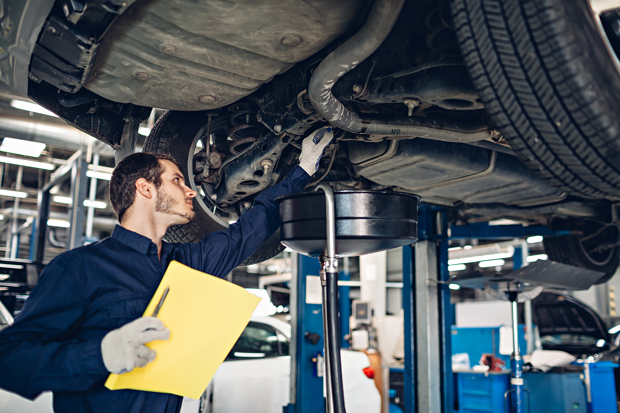
- The requirement: New or modernised test bays must use jacking beams with a 2-tonne minimum safe working load and a wider 1700mm lifting pad distance.
- The reason? Large SUVs and EVs with heavy battery packs can strain older lifting equipment. This change ensures your car is lifted safely without the risk of damage or accidents in the workshop.
This applies to newly-opened MoT test sites (or those opening an extra testing lane), those undergoing a change of ownership or garages restarting MoT testing activities after a pause.
How often does my car need an MoT?
Despite a high-profile government consultation that considered pushing the first MoT back to four years, the "3-1-1" rule remains firmly in place for 2026.
- First test: Your car needs its first MoT exactly three years after it was first registered.
- Annual requirement: Once a car passes its first test, it must be inspected every 12 months.
- Why it didn't change: The plan to delay the first test to four years was scrapped following a massive backlash from safety groups and the motoring industry. Data showed that 1 in 10 cars fail their first MoT due to dangerous tyres or brakes—issues that would have gone unchecked for an extra year under the proposed changes.
MoT 2026: Frequently Asked Questions
Has the cost of an MoT gone up for 2026?
No. In a rare bit of good news for the motorist’s wallet, the government has frozen MoT fees for another year. The maximum a garage can legally charge for a standard car (Class 4) remains £54.85 and £29.65 for motorcycles. Remember, these are price caps—many garages offer discounts to win your business, so it pays to shop around, provided you trust the garage not to "find" unnecessary repairs.
Why is the tester taking a photo of my car?
Don't be alarmed if you see the mechanic snapping a photo of your car in the test bay. This is part of a new DVSA crackdown on "ghost MoTs"—fraudulent certificates issued for cars that never actually entered the garage. By 2026, most garages must upload a "proof of life" photo showing the car and its number plate in the bay, which is then stored in the official digital record to verify the vehicle was physically present.
Are electric cars (EVs) subject to new checks in 2026?
While the core MoT remains the same, the DVSA has updated the manual to include stricter visual checks for EVs and hybrids. Testers must now specifically inspect high-voltage cables (usually identified by orange casing), charging ports and traction battery mountings for damage or leaks. Because EVs are significantly heavier, new rules also require modernised garages to use tougher, 2-tonne lifting equipment to prevent damage to the vehicle's underside during the test.
Is the government moving the first MoT to four years?
No. Despite a high-profile consultation about delaying the first MoT until a car is four years old, the government has officially scrapped the idea for 2026. The 3-1-1 rule stands: your car needs its first MoT three years after it was first registered, followed by an annual inspection every year thereafter. The move was rejected after data showed that too many cars develop dangerous tyre and brake issues in their third year.
What happens if I miss my MoT date in 2026?
The rules remain strict: there is no "grace period." As soon as your certificate expires, it is illegal to drive the car on a public road, and you could face a £1000 fine and points on your licence. The only legal exception is if you are driving directly to a pre-booked MoT appointment. We recommend signing up for the official DVLA text reminders or checking our MoT History Tool to ensure you never miss your date.
